Strawberry Rhubarb Jam Recipe

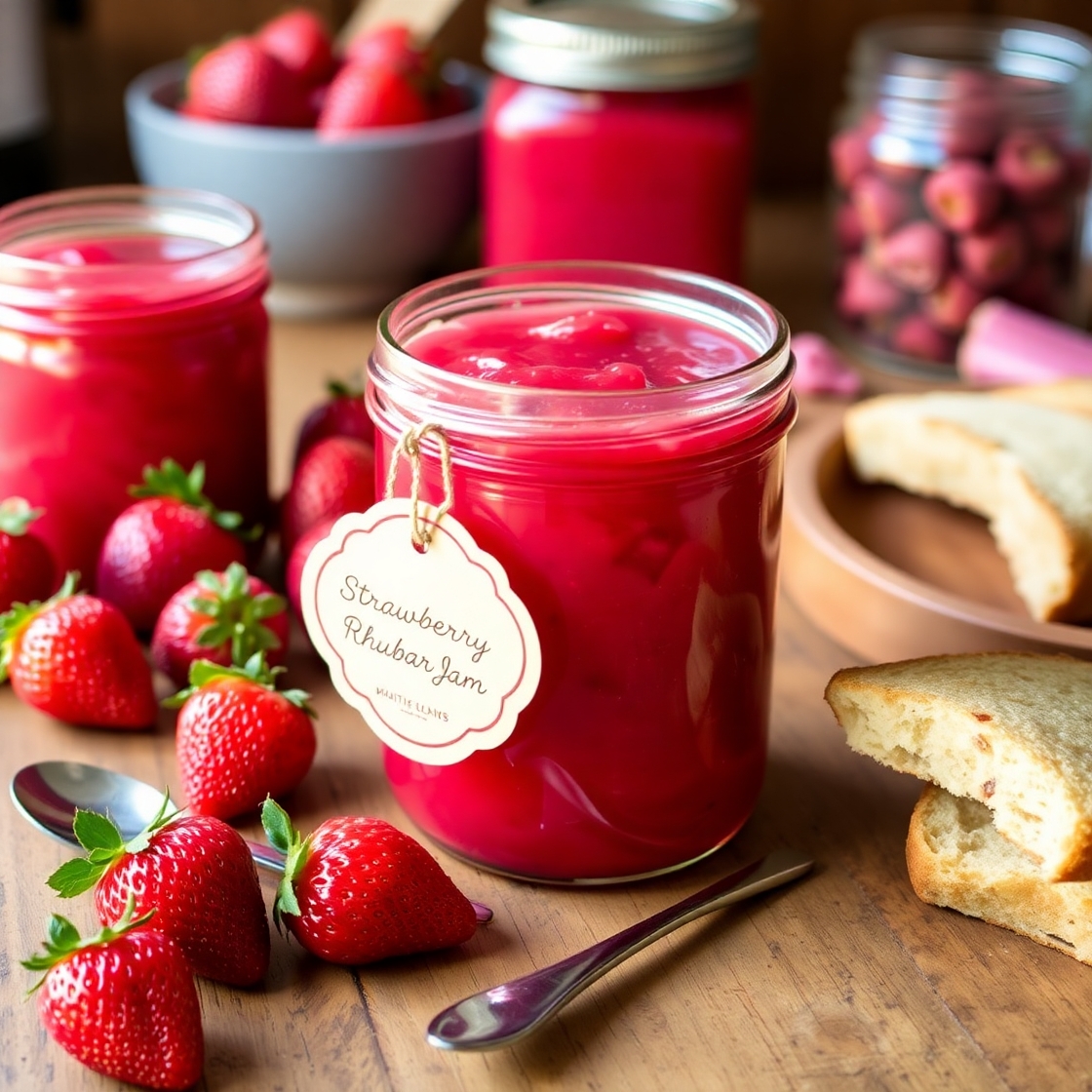
There’s something about strawberry rhubarb jam that instantly transports me to my grandmother’s kitchen. I can still remember the mornings of June when we’d wander through her garden, the sun soft on our shoulders, plucking bright red strawberries while the rhubarb stalks stood tall and proud. The two together seemed almost mischievous—the sweetness of the strawberries tempered by rhubarb’s tart punch. Somehow, my grandmother managed to turn those simple ingredients into something magical, slathered generously over toast, stirred into yogurt, or dolloped onto warm scones.
It wasn’t just the flavor—it was the process. I loved the way the kitchen smelled, the way the bubbling pot looked like a ruby jewel. There was a rhythm to making jam: washing, chopping, stirring, tasting, adjusting. And it was in that rhythm that I first learned that cooking wasn’t just about feeding people; it was about making memories.
Every time I make strawberry rhubarb jam, I feel like I’m weaving a thread through time—connecting my past to the present. It’s the kind of recipe that’s forgiving, tactile, and endlessly comforting. Even if you’ve never made jam before, this one feels achievable, like the kitchen is inviting you in.
Why This Jam Always Wins
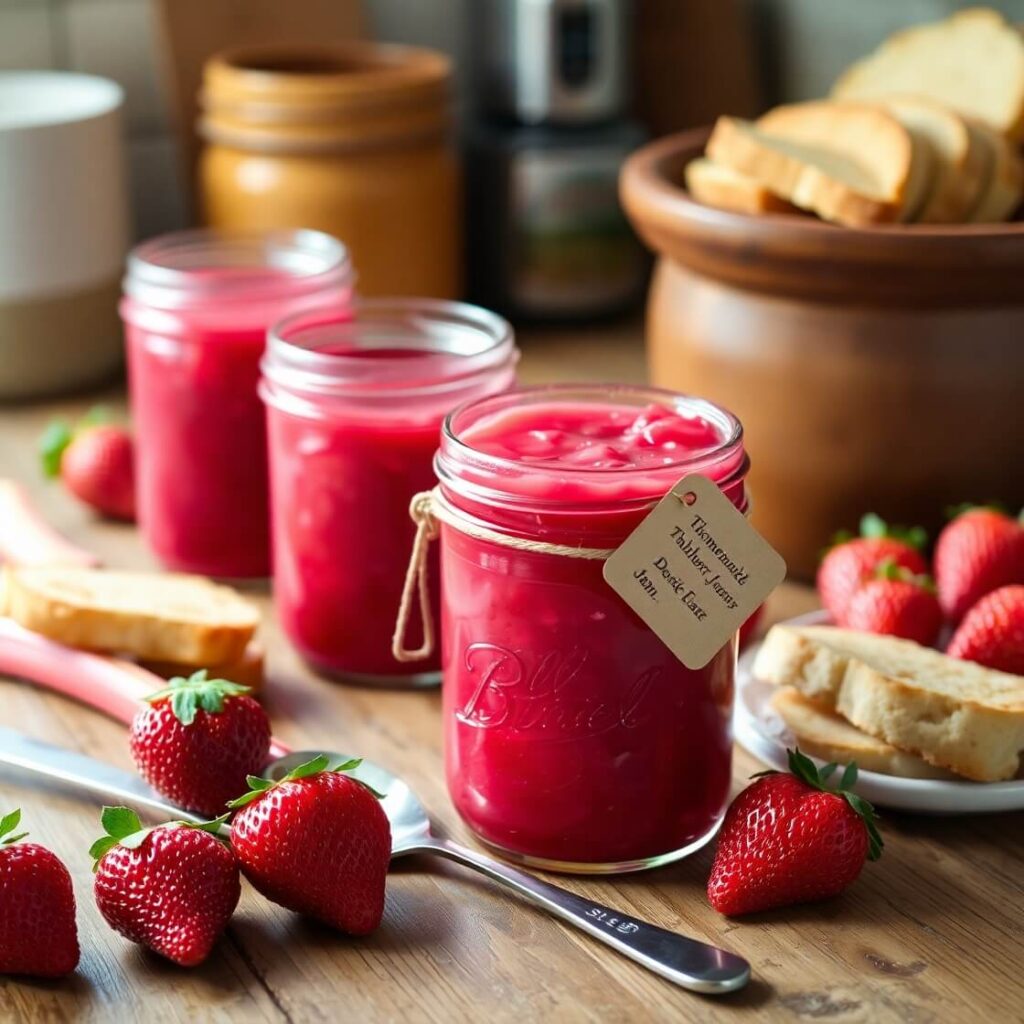
What makes strawberry rhubarb jam special is its balance. Strawberries bring that rich, fruity sweetness, while rhubarb offers a bright, tangy contrast that keeps your palate awake. It’s the perfect jam for someone who wants sweetness without it being cloying.
Another reason I love this recipe is its simplicity. There’s no gelatin, no fancy additives—just fruit, sugar, and a bit of lemon. And yet, it’s impossibly versatile. Spread it on morning toast, swirl it into oatmeal, spoon it over ice cream, or even use it as a glaze for baked chicken. It’s the kind of recipe that keeps giving, week after week.
One little trick I’ve learned: letting the jam sit for at least a day before tasting fully lets the flavors meld. The strawberries soften, the rhubarb releases its natural tang, and suddenly, it’s like the fruit has been performing a slow, gentle alchemy.
Picking the Right Ingredients
If you want a jam that sings, it starts with the fruit. For strawberries, go for ripe but firm ones—not too soft, or the jam will become watery. Local farmers’ markets are a treasure trove at this time of year, offering berries that have actually ripened in the sun rather than shipped from halfway across the country. Rhubarb, on the other hand, should be crisp and bright red. Green rhubarb works, but the red stalks are sweeter and more visually striking.
Sugar might feel basic, but it’s essential here. I usually stick with granulated white sugar, which lets the fruit’s natural flavors shine. You can experiment with cane sugar or even a bit of honey for a subtle twist, but don’t go too heavy on substitutions—jam is chemistry as much as it is art.
Lemon juice is the secret ingredient that wakes everything up. It helps with pectin formation, balances the sweetness, and adds a gentle acidity that keeps the jam from feeling flat. Freshly squeezed is ideal; bottled lemon juice works in a pinch, but the flavor isn’t quite as vibrant.
Optional extras like a vanilla bean, a sprinkle of cinnamon, or a splash of balsamic can add depth, but I often keep it classic. There’s beauty in the purity of just strawberries, rhubarb, sugar, and lemon.
Cooking Time at a Glance
Making jam doesn’t have to feel like a full-day ordeal. Here’s a rough idea:
- Prep (washing, chopping, measuring): 20–30 minutes
- Cooking on the stovetop: 25–35 minutes
- Cooling & jar prep: 15–20 minutes
Total: About an hour from start to finish, though the flavors develop even more if you can let it rest overnight.
Step-By-Step Guide to Perfect Jam
Step 1: Wash and Chop Your Fruit
Rinse the strawberries and remove their green tops. Chop them into bite-sized pieces so they break down evenly. For rhubarb, trim the ends and slice into thin pieces, about a half-inch thick. The size doesn’t need to be perfect—just uniform enough so everything cooks evenly.
As you prep, the sweet aroma of the strawberries mingling with the earthy tang of rhubarb will start to hint at the jam to come.
Step 2: Combine Fruit and Sugar
In a large, heavy-bottomed pot, combine the strawberries, rhubarb, and sugar. Let them sit for 15–20 minutes. This step, often called maceration, allows the fruit to release its juices and begin forming a natural syrup. You’ll notice the mixture starting to glisten and thicken—this is the magic of sugar drawing out flavor.
Step 3: Cook Over Medium Heat
Turn on medium heat and bring the mixture to a gentle boil, stirring occasionally. Don’t rush this step; the fruit needs time to break down. As it simmers, a rich, ruby-colored steam will fill your kitchen. That’s when you know you’re on the right track.
Skim off any foam that forms on top. It won’t affect the flavor, but removing it keeps your jam looking crystal clear.
Step 4: Add Lemon and Check Consistency
Once the fruit is soft and the mixture has thickened (about 20–25 minutes), stir in the lemon juice. To test if it’s ready, drop a small spoonful onto a chilled plate. If it wrinkles when you push it with your finger, it’s done. If not, continue cooking for a few more minutes.
Step 5: Jar Your Jam
Sterilize jars by boiling them or washing them in hot, soapy water. Carefully ladle the jam into jars while still hot, leaving about a quarter-inch headspace. Seal immediately. As it cools, the jam will continue to set and deepen in flavor.
Clever Substitutions & Adaptations
Strawberry rhubarb jam is naturally gluten-free and vegetarian, but there are other ways to adapt it:
- Vegan twist: Replace some sugar with coconut sugar or maple syrup for a richer, slightly earthy sweetness.
- Kid-friendly version: Some children are sensitive to the tartness of rhubarb. Slightly reduce rhubarb or increase strawberries to soften the tang.
- Low-sugar approach: Use a pectin designed for low-sugar jams. The flavor will still shine, though it may be slightly less thick.
The jam is forgiving, so feel free to tweak it to suit your taste.
Pairings That Bring It to Life
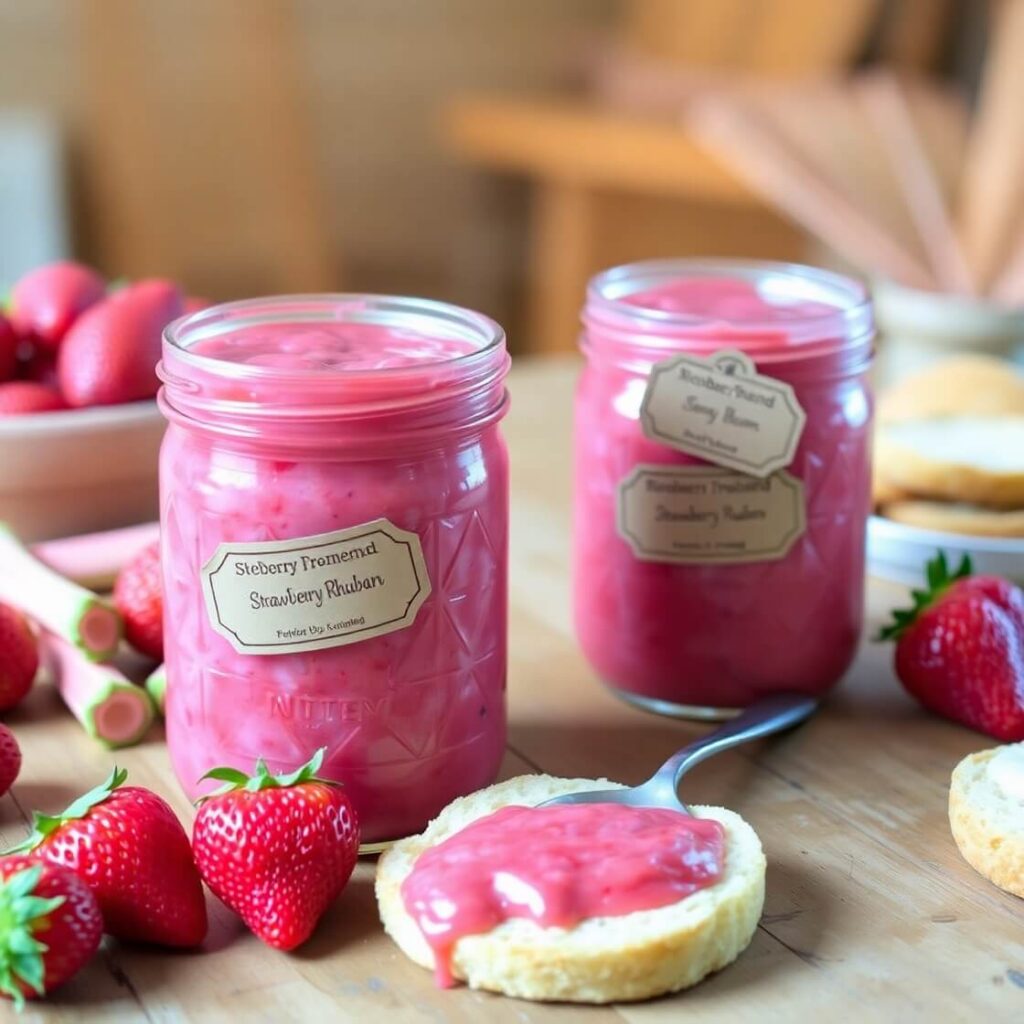
One of my favorite ways to enjoy this jam is with a simple buttered slice of sourdough. The tangy sourdough balances the sweet-tart jam perfectly. Another option is layering it over cream cheese on a cracker for an impromptu appetizer.
It’s also wonderful in yogurt or oatmeal, where it adds bursts of flavor and color. Honestly, half the joy is trying it in different ways, discovering new favorite pairings each time.
Common Mistakes (And How to Avoid Them)
- Overcooking: If you let the jam simmer too long, it becomes overly thick and dark, losing that bright, fresh flavor. Keep a close eye and test consistency often.
- Skipping maceration: Letting fruit sit with sugar before cooking makes a huge difference. Don’t skip this step—it enhances flavor and texture.
- Using bruised fruit: Soft or overripe strawberries can turn your jam into a watery mess. Firm fruit is key.
A little attention now saves disappointment later. Trust me, once you taste properly made strawberry rhubarb jam, you’ll understand why these small steps matter.
Storage & Make-Ahead Tips
Homemade jam lasts surprisingly long if stored correctly. In the refrigerator, it keeps for about three weeks. You can freeze it for up to six months—just leave room in the jar for expansion.
If you want to make gifts or prep ahead, sterilize jars thoroughly and ensure lids are tightly sealed. The jam will keep its bright flavor and thick texture, perfect for breakfast or a quick dessert topping any time.
Bringing It All Together
Making strawberry rhubarb jam is more than just cooking—it’s a moment of mindfulness. It requires patience, attention, and a willingness to smell, taste, and adjust as you go. By the time you spoon it into jars, your kitchen smells like summer in full bloom, and the first taste is nothing short of bliss.
I always encourage new jam makers to embrace the imperfections. Some chunks may be bigger than others, the color might vary slightly, and that’s all part of its charm. Homemade jam should look like it was made with love—because it was.
Whether you’re new to jam-making or returning to an old favorite, this strawberry rhubarb recipe is one that’s forgiving, satisfying, and endlessly versatile. From morning toast to sweet treats, it’s a little jar of summer that keeps on giving.
Love this recipe? Subscribe for more seasonal favorites and kitchen adventures—there’s always something cozy bubbling on my stove.
How to Serve Strawberry Rhubarb Jam
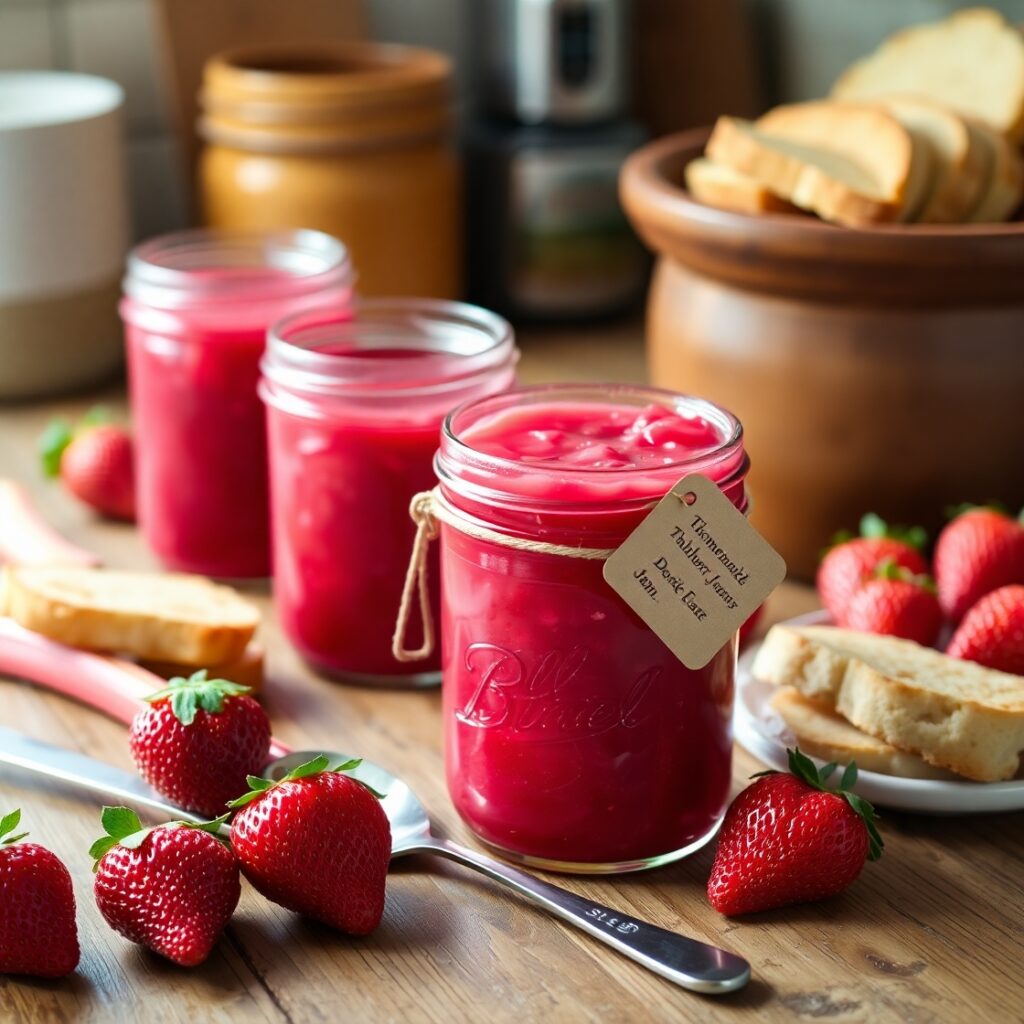
There’s no shortage of ways to enjoy this jam. For breakfast, spread it thickly on buttered toast or swirl it into yogurt. One of my favorite weekend rituals is a simple scone with a generous dollop of strawberry rhubarb jam—warm, flaky, and sweet-tart, it’s impossible to resist.
For something savory, try glazing roasted chicken or pork with a spoonful of jam during the last 10 minutes of cooking. The fruit’s natural sweetness complements meat beautifully, creating a lightly caramelized finish. Even a plain cream cheese bagel gets an instant upgrade with a layer of this jam.
If you’re hosting a casual brunch, consider offering a small jar as part of a cheese board. Pair it with brie, goat cheese, or a mild cheddar, along with some crackers and fresh fruit—it’s a crowd-pleaser every time.
The beauty of homemade strawberry rhubarb jam is that it feels both simple and special. Even the most basic dishes taste elevated when slathered with a fruit jam that’s bursting with real flavor.
Kitchen Pro Tips & Mistakes to Avoid
Even though this recipe is forgiving, a few tips from experience make a world of difference:
- Stir gently but consistently: When cooking, stir often to prevent sticking and burning, but don’t over-stir. Over-stirring can break down fruit too much and make the jam less visually appealing.
- Test the set properly: The wrinkle test works best if your plate has been in the freezer for a few minutes. A cold surface allows you to check thickness accurately.
- Skim off foam: A thin layer of foam may form as the jam boils. Removing it keeps your jam crystal clear and avoids a slightly bitter taste.
- Adjust sweetness carefully: Taste before adding extra sugar. Strawberries vary in sweetness, and rhubarb can sometimes be tangier than expected.
- Mind your pot size: Jam expands while cooking. Using a pot that’s too small may cause overflow. I usually go with a 5–6 quart pot for this amount of fruit.
Storage and Make-Ahead Tips
Proper storage ensures your jam retains its flavor and texture:
- Refrigeration: Store in a tightly sealed jar for up to three weeks.
- Freezing: Use freezer-safe jars or containers, leaving an inch of headspace. Frozen jam lasts up to six months.
- Canning (optional): If you want shelf-stable jars, follow standard water bath canning procedures. Sterilize jars, fill with hot jam, and process for 10–15 minutes.
- Make-ahead: You can prep the fruit and sugar mixture a day in advance and leave it in the fridge. Bring to room temperature before cooking.
FAQs About Strawberry Rhubarb Jam
Can I use frozen strawberries or rhubarb?
Yes, frozen fruit works well. Thaw and drain any excess liquid before cooking. Texture may be slightly softer, but flavor remains excellent.
How can I make this jam less sweet?
Reduce sugar by up to 25%, or use a low-sugar pectin. Keep in mind that sugar also helps with setting, so test thickness carefully.
What if my jam doesn’t set?
If it’s too runny, return to the stove and simmer longer, or stir in a little fruit pectin. Test frequently.
Can I add other flavors?
Absolutely. Vanilla, ginger, or a splash of balsamic vinegar can deepen flavor. Start small and taste as you go.
Is this jam vegan?
Yes, this recipe is naturally vegan, gluten-free, and vegetarian.
Strawberry Rhubarb Jam Recipe
- Total Time: 45 minutes
- Yield: 4-6 1x
- Diet: Vegetarian
Description
This delightful homemade strawberry rhubarb jam combines the sweetness of strawberries with the tartness of rhubarb for a perfectly balanced spread. It’s a great way to preserve summer’s bounty, and makes a wonderful gift for friends and family.
Ingredients
- 2 cups fresh strawberries, hulled and chopped
- 2 cups fresh rhubarb, chopped
- 4 cups granulated sugar
- 1 packet (1.75 oz) pectin
- 1 tablespoon lemon juice
Instructions
- Step 1: Wash and chop strawberries and rhubarb. Place them in a large pot and mix with sugar.
- Step 2: Let the fruit sit for 10-15 minutes to release juices. Cook over medium heat, stirring occasionally, until the fruit softens and the mixture begins to simmer.
- Step 3: Add pectin and lemon juice, stir, and bring to a boil. Let it cook for 5-10 minutes, stirring frequently.
- Step 4: Test the jam for doneness using the plate test. If the jam wrinkles when pushed, it’s ready.
- Step 5: Pour the jam into sterilized jars, seal tightly, and let it cool.
Notes
- Ensure jars are sterilized before use.
- Customize the sweetness by adjusting the sugar content.
- Prep Time: 15 minutes
- Cook Time: 30 minutes
- Category: Jam
- Method: Boiling
- Cuisine: American
Nutrition
- Serving Size: 4-6
- Calories: 50
- Sugar: 12g
- Sodium: 0mg
- Fat: 0g
- Saturated Fat: 0g
- Unsaturated Fat: 0g
- Trans Fat: 0g
- Carbohydrates: 13g
- Fiber: 1g
- Protein: 0g
- Cholesterol: 0mg