Sponge Cake Recipe

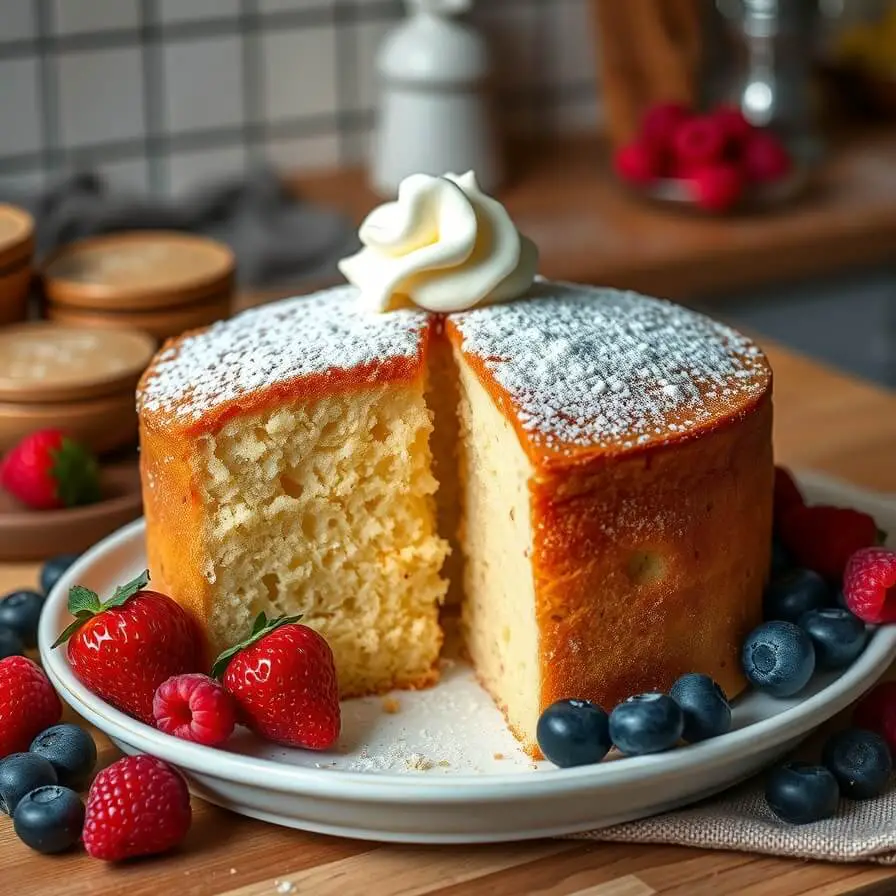
There’s something magical about the aroma of a freshly baked sponge cake wafting through the kitchen. I still remember the first time I tried baking one on my own—it was a rainy afternoon, and the cozy warmth from the oven instantly lifted my spirits. Sponge cake is one of those timeless classics that feels simple yet elegant, and there’s something incredibly satisfying about slicing into that light, airy texture and seeing it hold its shape perfectly.
I’ve always loved baking because it’s more than just mixing ingredients; it’s a small act of love. This sponge cake recipe has become my go-to whenever I want to impress someone without spending hours in the kitchen. It’s soft, fluffy, and versatile enough to pair with fresh fruits, a dollop of cream, or even a simple dusting of powdered sugar. Over the years, I’ve tweaked this recipe to make it foolproof, and now it’s one that I share with friends and family when they want a classic dessert that never disappoints.
What makes this sponge cake truly special is its light texture. Unlike heavier cakes, it practically melts in your mouth, leaving a delicate sweetness that’s never overpowering. And while the recipe may seem straightforward, there are little tips and tricks that make all the difference—ones I’m excited to share with you here.
Why I Love This Recipe
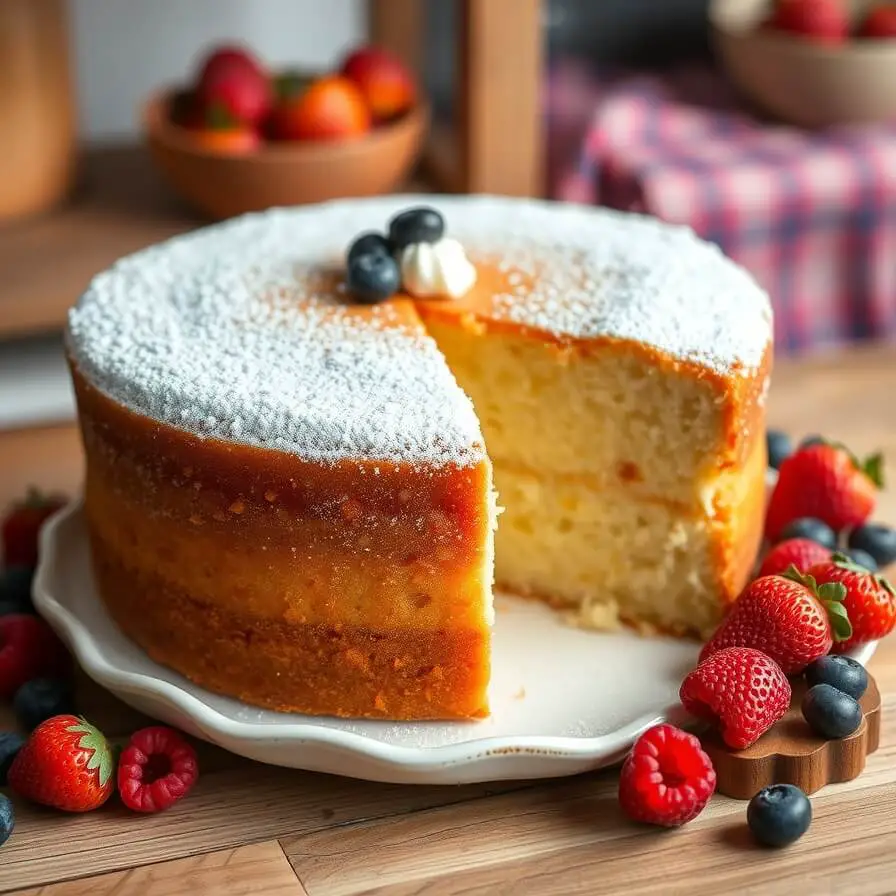
I love this sponge cake recipe for so many reasons, but mostly because it’s reliably light and airy every single time. There’s nothing more disappointing than biting into a cake that’s dense or soggy, and this one never fails. Over the years, I’ve experimented with many variations, but the classic sponge remains my favorite because of its versatility and elegance.
What sets this recipe apart is the balance it strikes between simplicity and sophistication. It doesn’t require any fancy ingredients—just pantry staples that most of us already have at home—but it produces a cake that looks like it came straight from a professional bakery. This recipe is also forgiving, which is great for beginner bakers. Even if your timing isn’t perfect, the results are still impressive.
Another reason I love it is that it’s a canvas for creativity. You can layer it with buttercream or whipped cream, fold in berries, or drizzle it with chocolate ganache, and each variation feels fresh and luxurious. I often bake it for birthdays, tea parties, or casual family gatherings, and it always receives compliments. The fluffy texture, subtle sweetness, and the golden-brown crust make it a cake that’s as pleasing to the eye as it is to the taste buds.
Ingredients for Sponge Cake
For a sponge cake that’s truly light and airy, you’ll want to pay attention not just to what you use, but how you use it. The ingredients are simple, but their quality can make a noticeable difference.
You’ll need all-purpose flour or cake flour for the base. Cake flour is slightly softer and gives a more tender crumb, which is ideal for a delicate sponge. Eggs are essential—they provide structure and contribute to that airy texture. I usually use room-temperature eggs because they whip up better, incorporating more air into the batter.
Sugar is next, and while granulated sugar works perfectly, I sometimes experiment with superfine sugar for an even smoother texture. A touch of salt enhances the flavors and balances the sweetness, so don’t skip it. Vanilla extract adds a gentle warmth and aroma that elevates the cake from ordinary to comforting and delightful.
Butter or oil is optional in some sponge cake recipes, but I include a little melted butter for richness without weighing the cake down. Milk can also be added for extra moisture, and it helps to create a batter that’s silky and easy to fold. These ingredients together create a cake that’s simple yet elegant, perfect for both everyday treats and special occasions.
How Much Time Will You Need?
One of the things I love about this sponge cake is how manageable it is time-wise. From start to finish, you’re looking at roughly 45 minutes to an hour, including prep and baking time.
Here’s the breakdown:
- Preparation: About 15–20 minutes. This includes measuring and mixing your ingredients, as well as preparing your baking pan.
- Baking: Approximately 20–25 minutes. Keep in mind that ovens vary, so start checking for doneness a few minutes before the timer goes off.
- Cooling: Around 10 minutes before you can safely remove it from the pan and another 10–15 minutes before slicing or decorating.
This relatively short timeframe is another reason I love baking sponge cake—it’s quick enough for a last-minute dessert, but impressive enough to feel like you spent the afternoon on it.
How to Make This Sponge Cake
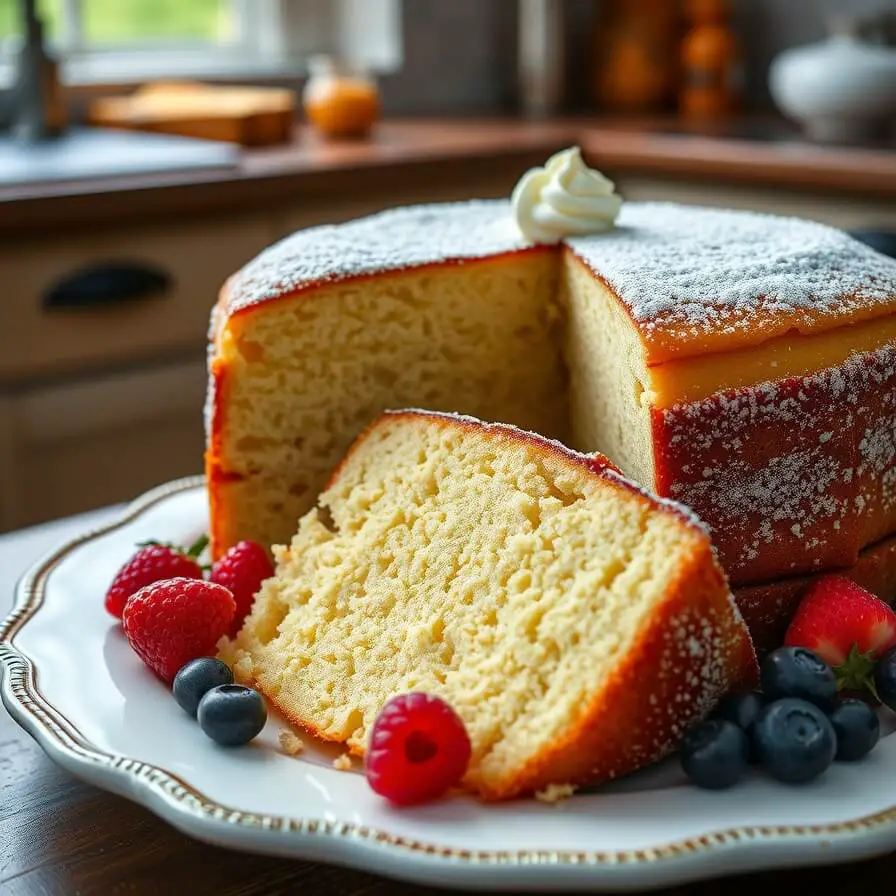
Baking a sponge cake is about technique as much as ingredients. The steps are simple, but following them carefully ensures the perfect airy texture.
Step – 1: Preheat your oven to 350°F (175°C) and lightly grease your 9-inch round cake pan. Line it with parchment paper to prevent sticking.
Step – 2: Separate the eggs into yolks and whites. This step is crucial because the whipped egg whites give the sponge its signature lightness.
Step – 3: In a mixing bowl, whisk the egg yolks with sugar until the mixture turns pale yellow and slightly thick. Add a splash of vanilla extract for aroma and a small amount of melted butter if you want a richer flavor.
Step – 4: In another bowl, beat the egg whites until stiff peaks form. This step takes a bit of patience, but it’s worth it—the air you incorporate here is what makes the cake fluffy.
Step – 5: Gently fold the egg whites into the yolk mixture in batches, taking care not to deflate the batter. Use a spatula and a gentle folding motion from the bottom of the bowl to the top.
Step – 6: Sift the flour and a pinch of salt over the mixture in small amounts, folding gently until everything is just combined. Overmixing can make the sponge dense, so patience is key.
Step – 7: Pour the batter into the prepared pan, smoothing the top with a spatula. Give it a gentle tap on the counter to release any large air bubbles.
Step – 8: Bake in the preheated oven for 20–25 minutes or until a toothpick inserted in the center comes out clean. Avoid opening the oven door too early, as this can cause the sponge to collapse.
Step – 9: Let the cake cool in the pan for about 10 minutes, then turn it out onto a wire rack to cool completely. Once cooled, it’s ready to serve or decorate.
Substitutions
One of the best things about this sponge cake recipe is its flexibility. If you’re looking to tweak it, there are plenty of substitutions that can enhance or change the flavor:
- Flour: You can use gluten-free flour if you need a gluten-free version. Just make sure to choose a blend designed for baking.
- Sugar: Swap regular sugar for coconut sugar for a subtle caramel flavor or use a sugar substitute if you’re watching calories.
- Milk: Almond milk or oat milk works well for a dairy-free variation.
- Butter: Use coconut oil or plant-based butter for a vegan-friendly sponge.
- Flavoring: Experiment with almond extract, lemon zest, or orange zest to create a unique twist on the classic flavor.
These substitutions don’t just accommodate dietary needs—they can also add exciting new layers of flavor.
Best Side Dishes for Sponge Cake
Sponge cake pairs beautifully with a variety of accompaniments that elevate the eating experience:
- Fresh Berries: Strawberries, blueberries, or raspberries add a fresh, tangy contrast to the sweet cake.
- Whipped Cream: Lightly sweetened whipped cream complements the airy texture without overpowering it.
- Fruit Compote or Jam: A spoonful of homemade fruit compote or your favorite jam can make each bite decadent.
These sides not only enhance the flavor but also create a visually appealing presentation that’s perfect for guests or special occasions.
Serving and Presentation Tips
There’s something special about the way a sponge cake presents itself. Its golden-brown surface, light crumb, and subtle aroma make it almost irresistible before you even take a bite. But a little thought into serving and presentation can elevate it from a simple homemade cake to something that looks like it belongs in a bakery display.
First, consider the plate or cake stand you use. A white ceramic platter can really make the cake pop, while a glass cake stand adds a touch of elegance. You can also dust the top lightly with powdered sugar, or for a more festive look, sift cocoa powder over it.
If you’re serving it with toppings, don’t just plop them on haphazardly. Arrange fresh berries in small clusters, or pipe whipped cream around the edges for a professional look. You can even layer your sponge cake with fruit and cream, turning it into a beautiful layered dessert that’s as delightful to look at as it is to eat. A simple garnish of mint leaves or edible flowers can make a big visual difference, giving the cake a fresh and sophisticated finish.
Tips and Tricks to Make This Recipe Even Better
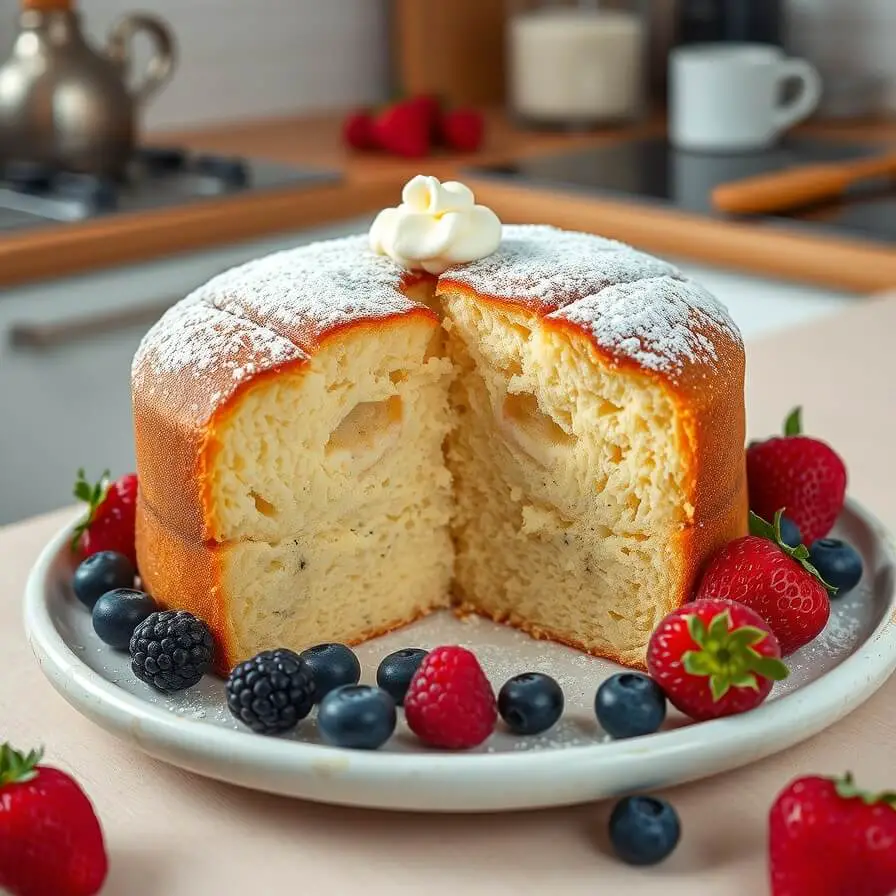
Even though this sponge cake is designed to be foolproof, a few tricks can ensure you get perfect results every time:
- Room Temperature Ingredients: Make sure your eggs and milk are at room temperature. Cold ingredients can affect the batter’s ability to rise, leading to a denser cake.
- Proper Whipping: Whip the egg whites until they form stiff peaks but avoid overwhipping, which can cause the mixture to dry out and deflate when folded into the yolks.
- Gentle Folding: When combining the egg whites and yolk mixture, fold gently using a spatula in a slow, lifting motion. This keeps the air in the batter, which is key for a fluffy texture.
- Check Your Oven: Oven temperatures can vary, so use an oven thermometer if you’re unsure. Baking too long can dry out the sponge, while underbaking can leave it too soft and prone to collapsing.
- Cooling: Let the cake cool in the pan for about 10 minutes before turning it out onto a wire rack. Rapid cooling or rushing this step can make the cake shrink or crack.
These small adjustments can make a big difference, ensuring your sponge cake is consistently light, airy, and perfectly baked.
Common Mistakes to Avoid
Even seasoned bakers sometimes make mistakes that affect the final sponge cake, so here’s what to watch out for:
- Overmixing the Batter: Once the flour is added, avoid vigorous mixing. Overmixing can deflate the air bubbles, resulting in a dense cake.
- Opening the Oven Door Too Early: The sudden drop in temperature can cause your cake to sink in the middle. Wait until the last 5 minutes before checking for doneness.
- Skipping Room Temperature Eggs: Cold eggs don’t whip as well, which can affect the rise and texture of the cake.
- Using Expired Leavening Agents: If your recipe uses baking powder or baking soda, make sure they’re fresh. Old leavening agents can prevent the cake from rising properly.
- Incorrect Pan Size: Using a pan that’s too large or too small can affect baking time and texture. Stick to the recommended 9-inch round pan or adjust the time carefully.
Being aware of these common pitfalls can save you from a disappointing cake and help you enjoy baking with confidence.
How to Store It
Sponge cake is best enjoyed fresh, but if you need to store it, there are a few tips to keep it soft and moist:
- Short-Term Storage: Wrap the cooled sponge cake tightly in plastic wrap and keep it at room temperature for up to 2 days. Avoid refrigeration if possible, as it can dry out the cake.
- Long-Term Storage: For longer storage, slice the cake and freeze it in airtight containers or freezer bags for up to 2 months. Thaw at room temperature before serving.
- Layered Cakes: If you’ve layered your sponge with cream or fruit, it’s best stored in the fridge, tightly covered to prevent drying out. Serve within 2 days for the best taste and texture.
Proper storage ensures you can enjoy your sponge cake over a few days without losing its light, fluffy texture.
Frequently Asked Questions About Sponge Cake
Can I make this sponge cake gluten-free?
Absolutely! Use a gluten-free flour blend designed for baking. Make sure to follow the same folding and whipping techniques to retain the airy texture.
Can I make this recipe vegan?
Yes, you can substitute eggs with a vegan egg replacer, such as aquafaba or flax eggs, and use plant-based milk and butter. The texture will be slightly different but still delicious.
How can I make a chocolate sponge cake?
Simply sift in a few tablespoons of cocoa powder with the flour before folding it into the egg mixture. This adds a delicate chocolate flavor without compromising the light texture.
Can I use this recipe for a layered cake?
Definitely! This sponge cake is perfect for layering with whipped cream, fruit, or frosting. Just bake in multiple pans or slice the baked cake horizontally once cooled.
How do I know when my sponge cake is done?
Insert a toothpick into the center. If it comes out clean or with just a few crumbs, it’s done. The top should also spring back lightly when touched.

Sponge Cake Recipe
- Total Time: 40–45 minutes
- Yield: 8–10 1x
- Diet: Vegetarian
Description
This classic sponge cake is light, airy, and versatile—a perfect canvas for any dessert creation. With its delicate crumb and subtle sweetness, it’s a favorite for birthdays, tea parties, or simply a cozy afternoon treat. Made with pantry staples like eggs, flour, sugar, and vanilla, this recipe is both simple and foolproof. Follow a few key steps to whip the egg whites, fold carefully, and bake to golden perfection, and you’ll have a cake that’s as impressive as it is delicious. Pair it with fresh berries, whipped cream, or fruit compote to create an elegant presentation that will wow family and friends.
Ingredients
- 4 large eggs, room temperature
- 1 cup granulated sugar
- 1 cup all-purpose flour or cake flour
- 1/4 teaspoon salt
- 1 teaspoon vanilla extract
- 2 tablespoons melted butter (optional)
- 2 tablespoons milk (optional)
Instructions
- Preheat oven to 350°F (175°C) and prepare a 9-inch round pan with parchment paper and greasing.
- Separate eggs into yolks and whites.
- Whisk yolks with sugar until pale and thick. Add vanilla extract and melted butter.
- Beat egg whites until stiff peaks form.
- Gently fold egg whites into yolk mixture, maintaining airiness.
- Sift flour and salt over the batter and fold until just combined.
- Pour batter into pan, smooth the top, and tap to release bubbles.
- Bake 20–25 minutes or until a toothpick comes out clean.
- Cool in pan 10 minutes, then transfer to wire rack to cool completely.
Notes
- Use room temperature eggs for best rise.
- Fold gently to retain air.
- Don’t open the oven too early.
- Dust with powdered sugar or layer with cream and berries for a festive touch.
- Prep Time: 15–20 minutes
- Cook Time: 20–25 minutes
- Category: Dessert
- Method: Baking
- Cuisine: Western
Nutrition
- Serving Size: 8–10
- Calories: 210
- Sugar: 18g
- Sodium: 45mg
- Fat: 10g
- Saturated Fat: 5g
- Unsaturated Fat: 3g
- Trans Fat: 0g
- Carbohydrates: 25g
- Fiber: 1g
- Protein: 4g
- Cholesterol: 85mg