Pound Cake Recipe

There’s something wonderfully nostalgic about a classic pound cake. Every time I pull one from the oven, I’m taken straight back to quiet Sunday afternoons in my grandmother’s kitchen—the windows fogged from the heat of the oven, the scent of butter sweetening the whole house, and the unmistakable hum of a mixer blending simple ingredients into something irresistible.
Pound cake is one of those recipes I find myself returning to over and over, especially when I want something comforting but unfussy. No fancy frosting, no delicate layering, no complicated techniques—just a golden, dense, moist cake that tastes like home. I remember baking this exact recipe for a small family gathering once. My niece, who usually only picks at desserts, ate two slices and whispered to me, “Why does it taste like warm sunshine?” That moment stuck with me.
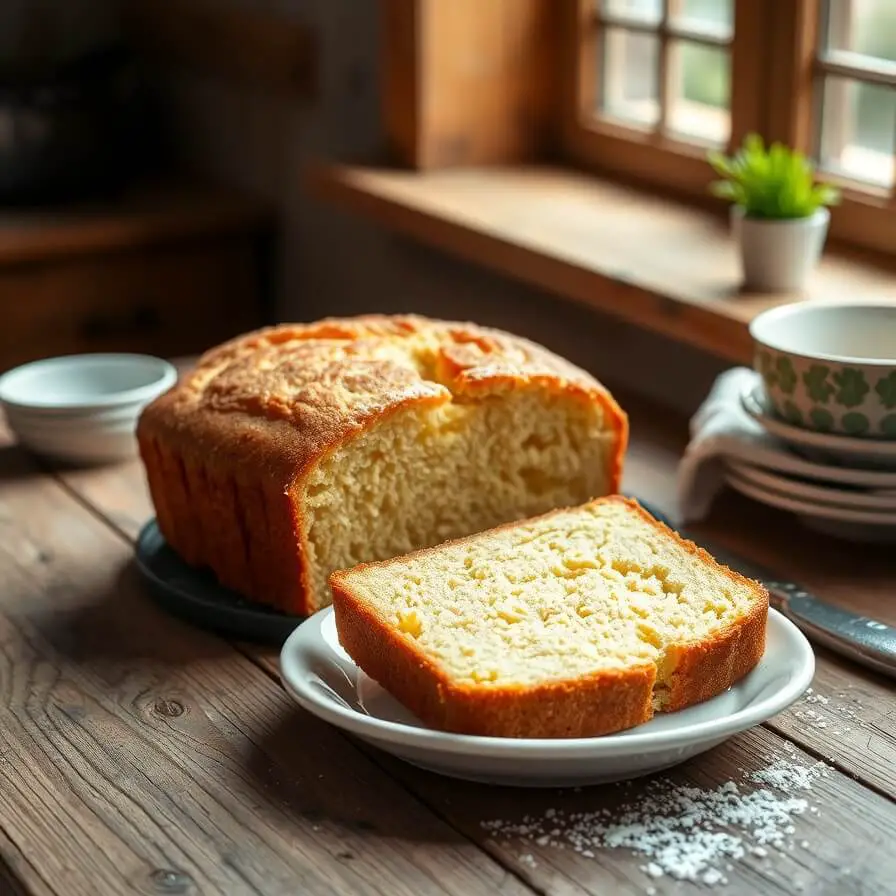
It doesn’t demand perfection. In fact, the charm of a pound cake is that rustic look—slightly cracked top, buttery crumbs, and edges that caramelize just enough to make them the best part. If you love recipes that feel wholesome, grounded, and delightfully old-fashioned without being outdated, this one will fit right into your kitchen.
And honestly, there’s just something magical about slicing into it while it’s still slightly warm. The aroma alone feels like a hug.
Why I Love This Recipe
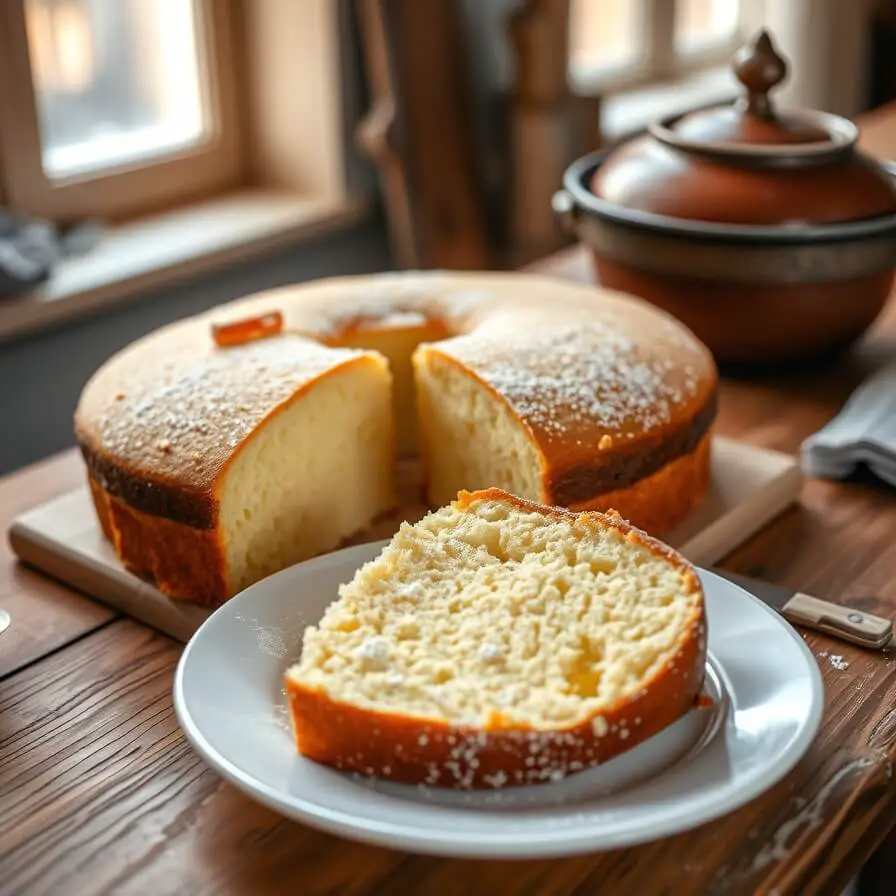
What makes this pound cake so special is how dependable it is. Some cakes insist on exact humidity levels or delicate folding techniques, but this one forgives you every time. It’s my “I need a fail-proof dessert” recipe because the structure comes from the classic formula: equal parts butter, sugar, eggs, and flour.
But my version adds a few touches that make it even better—rich vanilla extract, a splash of milk to keep the crumb tender, and a slow bake that caramelizes the outer layer just a bit. It’s the kind of recipe that doesn’t need frosting to shine. The flavor stands on its own: buttery, subtly sweet, and with that soft, velvety texture that pound cakes are known for.
People make this recipe for various reasons—some want a simple cake to pair with tea, others want something comforting after a long week, and many choose pound cake because it’s timeless. It works for birthdays, brunches, casual breakfasts, or late-night “I just need something sweet” moments.
And maybe its biggest specialty is how adaptable it is. Want lemon? Add zest. Want almond? Add extract. Want berries? Fold them in. This base recipe is the foundation for countless delicious variations, but today we’re keeping it beautifully classic.
Ingredients for Pound Cake
When it comes to a pound cake, quality ingredients matter more than quantity. You don’t need much, but you need them in their best form. Because every ingredient plays a starring role, think of it as building blocks for flavor.
You’ll need softened unsalted butter—the real hero here. It should be soft enough to press your finger into, but not melted. This helps create that creamy mixture that gives pound cake its signature tight crumb.
Granulated sugar sweetens the cake, yes, but it also helps aerate the butter when creamed together. Don’t rush this step; it sets the foundation for a fluffy, tender cake.
Eggs bind the cake together and add richness. You’ll want them at room temperature so they incorporate smoothly and don’t cause the batter to curdle.
All-purpose flour provides structure. Since pound cake is dense, you don’t want a high-protein flour or cake flour—the middle ground is perfect.
A splash of milk helps loosen the batter just enough so the cake bakes evenly without becoming heavy. It’s a small addition, but it makes a noticeable difference.
Vanilla extract rounds everything out with warmth and aroma. You can use pure vanilla bean paste if you want something even more fragrant.
A pinch of salt balances the sweetness, making every bite feel complete rather than cloying.
How Much Time Will You Need?
One reason I call this my “calm baking” recipe is the predictable timing. From start to finish, you’ll need about:
- 15 minutes to prepare the ingredients and batter
- 55–70 minutes to bake, depending on your oven
- 10–15 minutes to cool enough for slicing
So in total, set aside 1 hour and 25 minutes, most of which requires no effort on your part. It’s ideal for slow evenings, mornings when the house is quiet, or days when you want a dessert that doesn’t feel rushed.
How to Make This Pound Cake
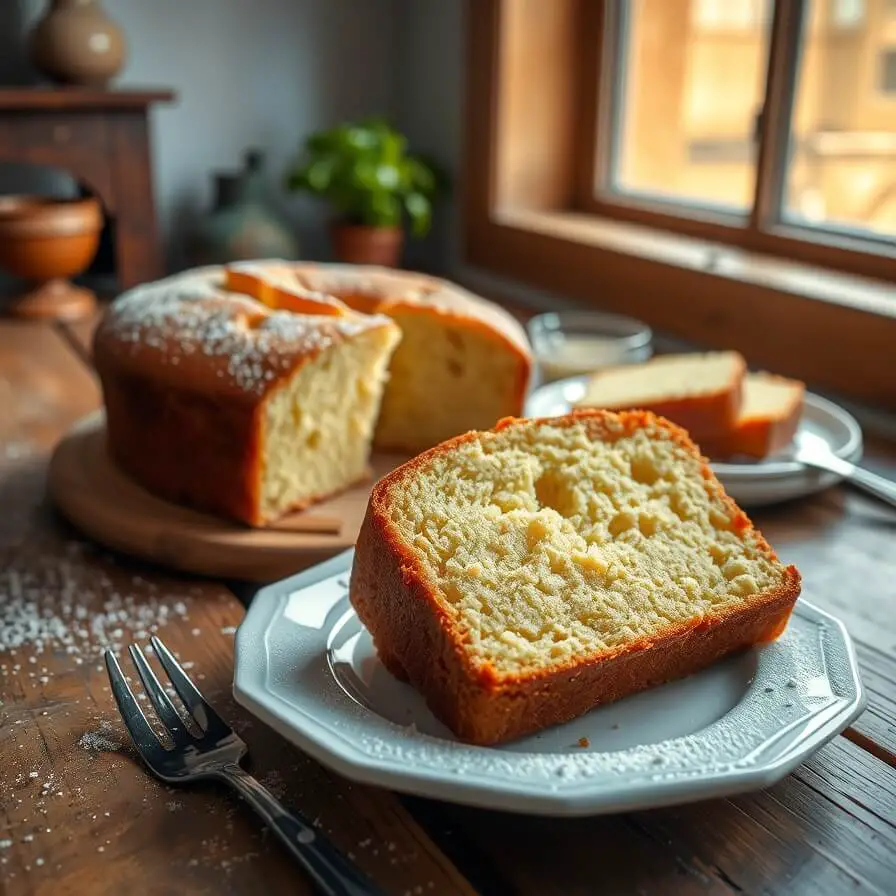
Follow these steps exactly and you’ll end up with a gorgeous, buttery loaf every single time.
Step – 1: Prepare your loaf pan
Grease a standard loaf pan with butter and dust lightly with flour. This prevents sticking and gives the cake those clean, crisp edges. Preheat your oven to 325°F so it warms slowly.
Step – 2: Cream the butter and sugar
Using a mixer, beat the softened butter and sugar together for at least 3–4 minutes. The mixture should turn pale, fluffy, and noticeably lighter. This creates tiny air pockets that give the cake its structure.
Step – 3: Add the eggs
Add the eggs one at a time, beating after each addition. Don’t rush this part; adding them slowly keeps the batter smooth. If it looks slightly curdled, keep mixing.
Step – 4: Add the vanilla and milk
Pour in the vanilla extract and the small splash of milk. Mix briefly until combined. The batter will now have a silky texture.
Step – 5: Fold in the flour and salt
Sift the flour and salt together, then gently fold into the batter using a spatula. Folding helps keep the batter dense yet tender without introducing too much air.
Step – 6: Fill the pan
Spoon the batter into the prepared loaf pan and smooth the top. The batter should feel thick and buttery.
Step – 7: Bake
Place the pan in the center of the oven. Bake until the top is golden, slightly cracked, and a toothpick inserted in the center comes out clean. It usually takes about an hour.
Step – 8: Cool and Serve
Allow the cake to cool for 10–15 minutes before removing it from the pan. Slice it warm if you must—I never have the patience to wait completely—but fully cooled slices hold their shape beautifully.
Substitutions
Sometimes you don’t have every ingredient on hand—or maybe you want to tweak the flavor. Here are some helpful substitutions that keep the spirit of the recipe intact.
A great swap for regular milk is heavy cream or half-and-half, which makes the cake richer and even more tender. If you’re avoiding dairy, unsweetened almond milk works surprisingly well, though the cake won’t be quite as buttery-rich.
For the butter, stick to real butter if possible. Margarine can work in a pinch, but the flavor won’t be as deep. If you want a subtle nutty flavor, use brown butter, cooled slightly before mixing—it elevates every bite.
Vanilla can be switched with almond extract, lemon extract, or even orange zest if you want something citrusy.
And if you’re trying to make it slightly lighter, you can use ½ cup of sugar + ¼ cup honey instead of all sugar. It adds moisture and a deeper sweetness.
Best Side Dish of Pound Cake
To make your pound cake moment even more enjoyable, here are three wonderful pairings:
- Fresh berries tossed with a little lemon juice
- A warm cup of black tea or strong coffee
- A small scoop of vanilla ice cream or whipped cream
Each brings something different—freshness, warmth, or indulgence—making an already delicious slice feel extra special.
Serving and Presentation Tips
A good pound cake doesn’t need much help to shine, but with the right touches, it becomes something you’re proud to set on the table. What I love about serving pound cake is how effortlessly elegant it looks, even without elaborate decorations.
To make each slice feel special, start by cutting it with a long, sharp knife so the pieces come out clean. I often serve it slightly warm on a simple white plate—there’s something about that warm-gold color against a plain background that lets the cake speak for itself.
If you want to elevate the presentation, drizzle a light dusting of powdered sugar over the top right before serving. It creates a soft “bakery-style” finish. A few fresh berries on the side or a dollop of whipped cream adds a beautiful pop of color. And for a cozy, rustic look, serve it on a wooden board with a small bowl of jam nearby.
However you present it, make it yours. That’s part of the charm.
Tips and Tricks to Make This Recipe More Better
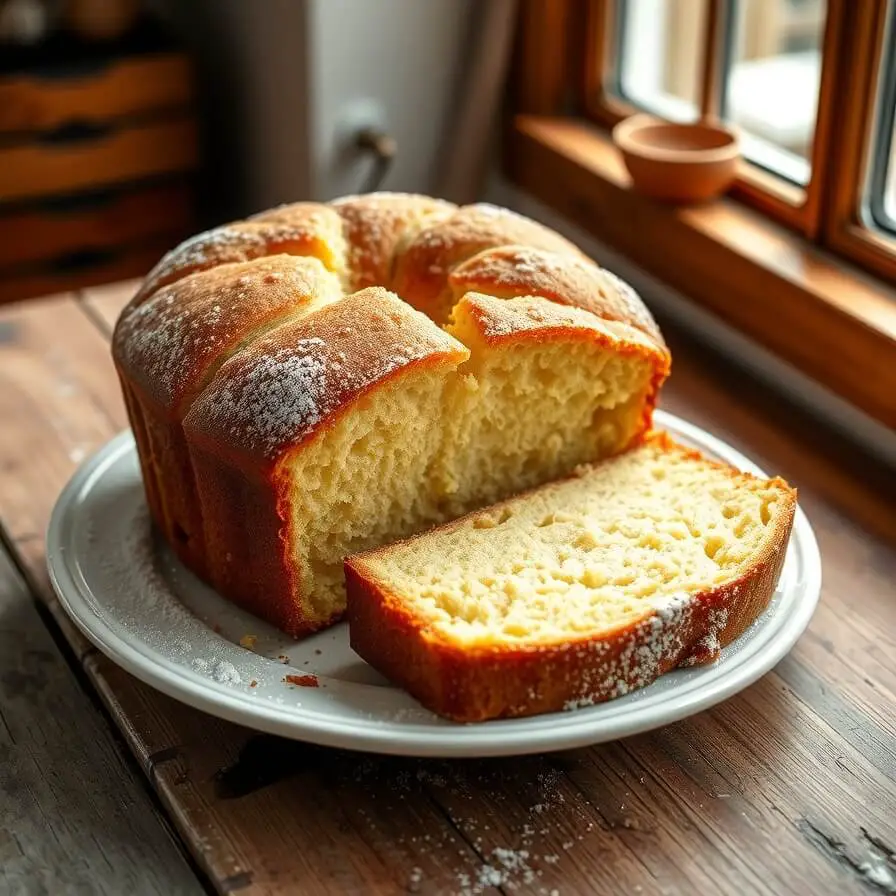
Every recipe has a sweet spot—those small adjustments that turn “good” into “wow.” This is where pound cake really benefits from technique.
One of the most important tricks is starting with room-temperature ingredients. Cold butter and eggs won’t blend smoothly and can lead to a dense or uneven texture. Room temperature gives you that velvety batter every time.
Another tip is to creamy the butter and sugar longer than you think you need to. When the mixture becomes pale and airy, that’s when you know the cake will bake beautifully. Under-creaming leads to heavy cakes, while proper creaming gives lift without compromising the classic dense crumb.
I also recommend baking low and slow. Pound cake thrives at a gentle oven temperature, allowing it to cook evenly without drying out. When in doubt, check early—but not too often, because heat loss affects texture.
And finally, use good-quality vanilla. It sounds simple, but pound cake is about purity of flavor, so the better your vanilla, the better your cake.
Common Mistakes to Avoid
Even simple recipes have their pitfalls, and avoiding them will make your pound cake consistently great.
One common mistake is overmixing after adding the flour. This toughens the gluten and results in a chewy, dense cake that lacks tenderness. Fold gently and stop as soon as everything is incorporated.
Another mistake is baking at too high a temperature. Pound cake needs slow heat to rise evenly. A too-hot oven creates a dark crust while the center remains undercooked.
A lot of bakers also forget the importance of a properly prepared pan. If you skip greasing and flouring—or don’t do it well—the cake can stick, tearing the sides as it comes out. It’s one of those small steps that makes a huge difference.
Lastly, many people open the oven too early. Pound cake is sensitive to sudden drops in temperature, which can cause sinking. Resist the temptation until at least the 45-minute mark.
How to Store It
Storing pound cake properly keeps it tender for days. Once fully cooled, wrap it tightly in plastic wrap, then place it in an airtight container. It stays fresh on the counter for 3–4 days.
If you want to extend its life, refrigerate it for up to a week, but bring it back to room temperature before eating—it tastes much better that way.
Pound cake also freezes beautifully. Wrap individual slices or the whole loaf in plastic wrap and aluminum foil, then freeze for up to 3 months. When you’re ready to enjoy, thaw it at room temperature. The texture remains incredibly soft.
FAQ
Can I add lemon or other flavors to this recipe?
Yes, lemon zest, almond extract, orange zest, or even vanilla bean paste work wonderfully. Just keep the amounts balanced.
Why did my pound cake crack on top?
A cracked top is completely normal. It forms because the batter rises slowly and the top sets before the inside finishes expanding.
Can I use salted butter instead of unsalted?
Yes, but reduce the added salt by half. The flavor will still be delicious.
Can I bake this in a bundt pan?
Absolutely. Just adjust the baking time slightly, as bundt pans cook a bit faster.
Why is my pound cake dry?
Overbaking or overmeasuring the flour can cause dryness. Measure flour using the spoon-and-level method and check the cake early.

Pound Cake Recipe
- Total Time: 1 hour 15 minutes
- Yield: 1 1x
- Diet: Vegetarian
Description
This classic pound cake is everything a comforting dessert should be—rich, buttery, golden, and beautifully soft. It’s the kind of cake that never goes out of style, perfect for a simple morning treat or a cozy evening dessert. With a velvety crumb and flavor that feels nostalgic and warm, this recipe brings together simple ingredients in the most satisfying way. Whether you serve it plain, topped with berries, or paired with a cup of tea, it delivers that timeless homemade taste that people always come back to. This version stays tender for days and is incredibly easy to adapt if you want citrus, almond, or berry variations.
Ingredients
- Unsalted butter
- Granulated sugar
- Eggs
- All-purpose flour
- Milk
- Vanilla extract
- Salt
Instructions
- Prepare the loaf pan by greasing and flouring it well.
- Cream butter and sugar until pale and fluffy.
- Add eggs one at a time, mixing well after each.
- Mix in vanilla and milk until smooth.
- Gently fold in flour and salt.
- Transfer the batter to the pan and smooth the top.
- Bake until golden and fully set. Rest before slicing.
Notes
- For extra richness, use heavy cream instead of milk. For a citrus twist, add lemon or orange zest. Always use room-temperature ingredients for the best texture.
- Prep Time: 15 minutes
- Cook Time: 60 minutes
- Category: Dessert
- Method: Baking
- Cuisine: American
Nutrition
- Serving Size: 1
- Calories: 320
- Sugar: 26g
- Sodium: 140mg
- Fat: 15g
- Saturated Fat: 9g
- Unsaturated Fat: 5g
- Trans Fat: 0g
- Carbohydrates: 40g
- Fiber: 1g
- Protein: 4g
- Cholesterol: 85mg