Orange Juice Cake Recipe

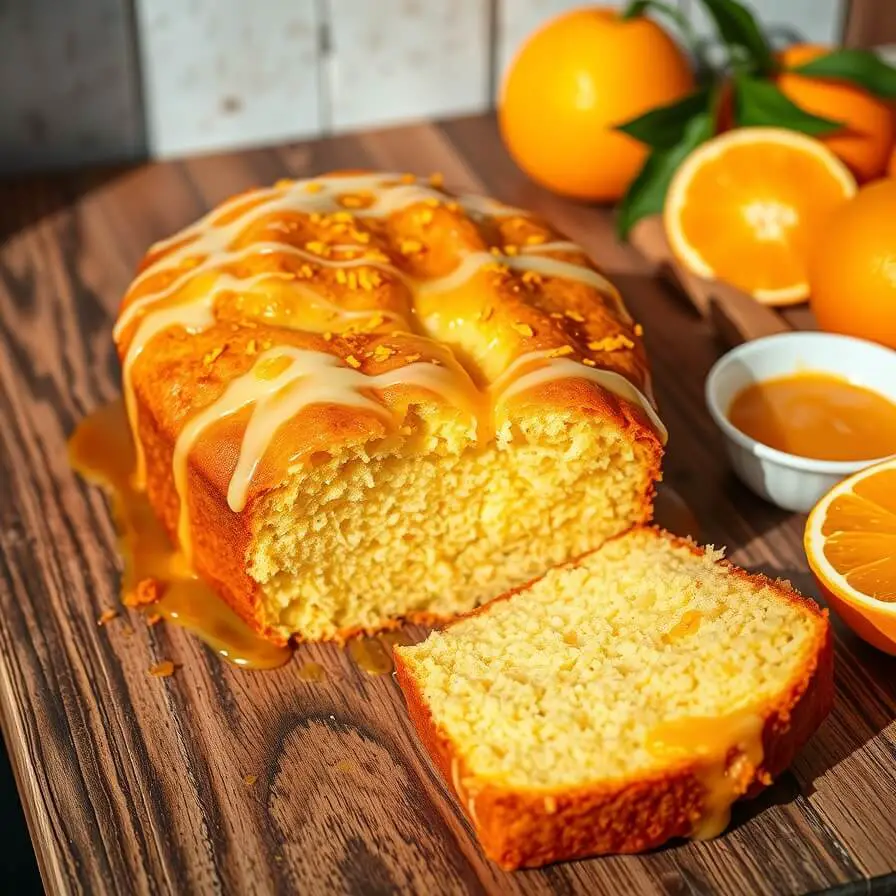
I have a soft spot for desserts that feel like sunshine on a plate, and this orange juice cake does exactly that. I first discovered this recipe on a quiet Sunday morning when I was rummaging through my fridge for something bright and cheerful to lift the mood. The aroma of fresh oranges and the sweet tangy flavor of this cake brought my entire kitchen to life. My kids peeked over the counter, noses twitching, and insisted on helping—mostly because the batter is irresistibly smooth and velvety.
What I love most about this cake is how simple it is, yet how much it feels like a treat. There’s something magical about the way orange juice infuses the sponge, keeping it moist and full of natural sweetness without being overpowering. It’s the kind of cake you slice, and everyone takes a second bite before realizing they’ve already eaten half the slice. It’s cozy, cheerful, and perfect for any occasion, from a casual afternoon tea to a festive brunch.
Why I Love This Recipe
This orange juice cake isn’t just another citrus dessert—it’s a recipe that blends nostalgia, simplicity, and versatility in a way that feels rare. Unlike heavy butter cakes, this cake has a light, almost spring-like texture, making it ideal for warmer days or as a refreshing twist to your usual dessert rotation.
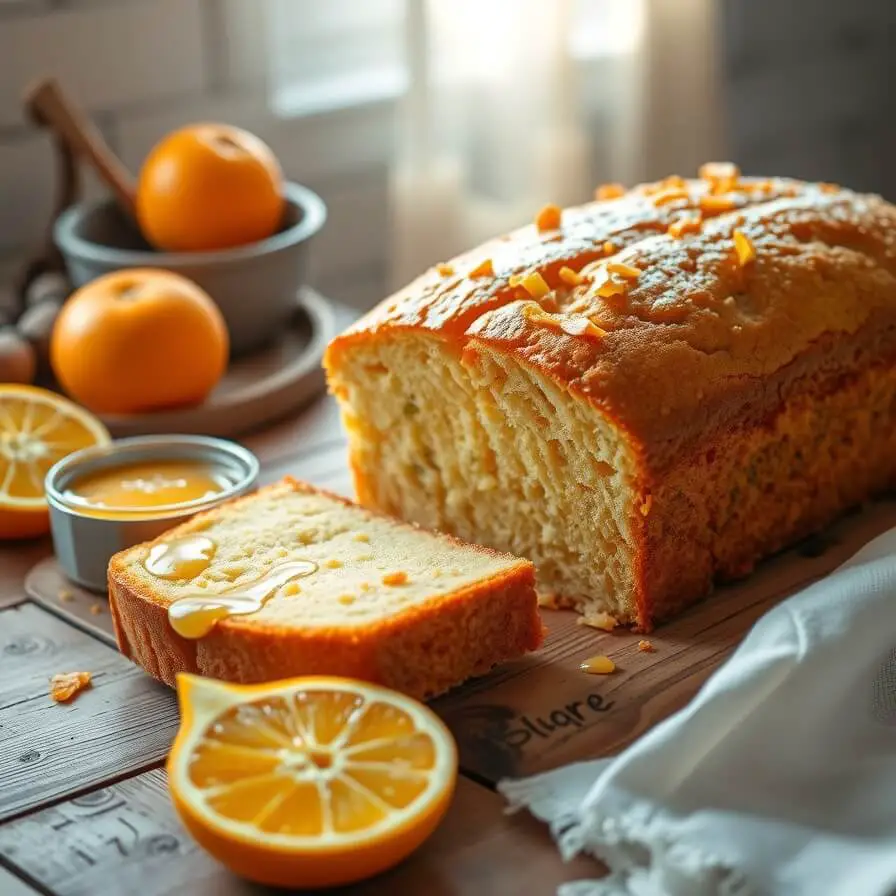
The secret lies in the juice itself. Freshly squeezed orange juice brings in subtle tang and vibrant flavor, balancing the sweetness of the sugar. When baked, it creates a tender crumb that feels moist without being soggy, and the orange zest adds a fragrant brightness that instantly elevates the cake.
Another reason this recipe stands out is its adaptability. You can bake it in a loaf pan for a cozy coffee-time treat, or in a round pan for a more elegant presentation. It’s also forgiving for those moments when your baking skills are still in practice—the batter is simple to mix, and even if you slightly overmix, the cake still comes out tender and flavorful.
This is the kind of cake that people remember because it’s not just a dessert; it’s an experience. The aroma alone makes it worth baking, and watching it disappear from the plate is pure satisfaction.
Ingredients for Orange Juice Cake
When it comes to ingredients, this cake strikes a perfect balance between simplicity and flavor. Here’s what you’ll need, explained in a reader-friendly, conversational style:
- Fresh oranges: You’ll need both juice and zest. I always use fresh oranges rather than bottled juice—it makes a world of difference in brightness and fragrance.
- All-purpose flour: This is your base, and it gives the cake structure. Sifting it ensures a light, airy texture.
- Baking powder: Essential for a gentle lift. Don’t skip it; it helps the cake rise evenly.
- Salt: Just a pinch—it enhances the flavors and balances the sweetness.
- Unsalted butter: Softened butter adds richness, while allowing you to control the salt.
- Sugar: Granulated sugar works perfectly, giving just the right sweetness without overpowering the citrus.
- Eggs: They bind everything together and help the cake develop its tender crumb. Room temperature eggs integrate better, so I usually set them out 15 minutes before starting.
- Vanilla extract: A touch of vanilla rounds out the flavors beautifully.
- Optional glaze: A simple mix of powdered sugar and orange juice drizzled over the top makes the cake look elegant and adds extra citrusy zing.
All these ingredients are pantry-friendly, but they come together in a way that feels special. It’s straightforward enough to whip up after work, yet impressive enough for company.
How Much Time Will You Need
One of my favorite things about this cake is how quick it is to make. From start to finish, you’re looking at roughly:
- Preparation time: 15 minutes, including zesting and juicing the oranges.
- Baking time: 35–40 minutes. Keep an eye on it—the top should be golden and a toothpick inserted in the center should come out clean.
- Cooling and glazing: About 15 minutes for cooling, plus 5–10 minutes if you’re adding a glaze.
In total, this cake can go from kitchen counter to dessert plate in just over an hour, which makes it perfect for spontaneous baking urges or last-minute gatherings.
How to Make This Orange Juice Cake
Step-by-step instructions make baking less intimidating, and I like to include every little detail so readers feel confident in their results.
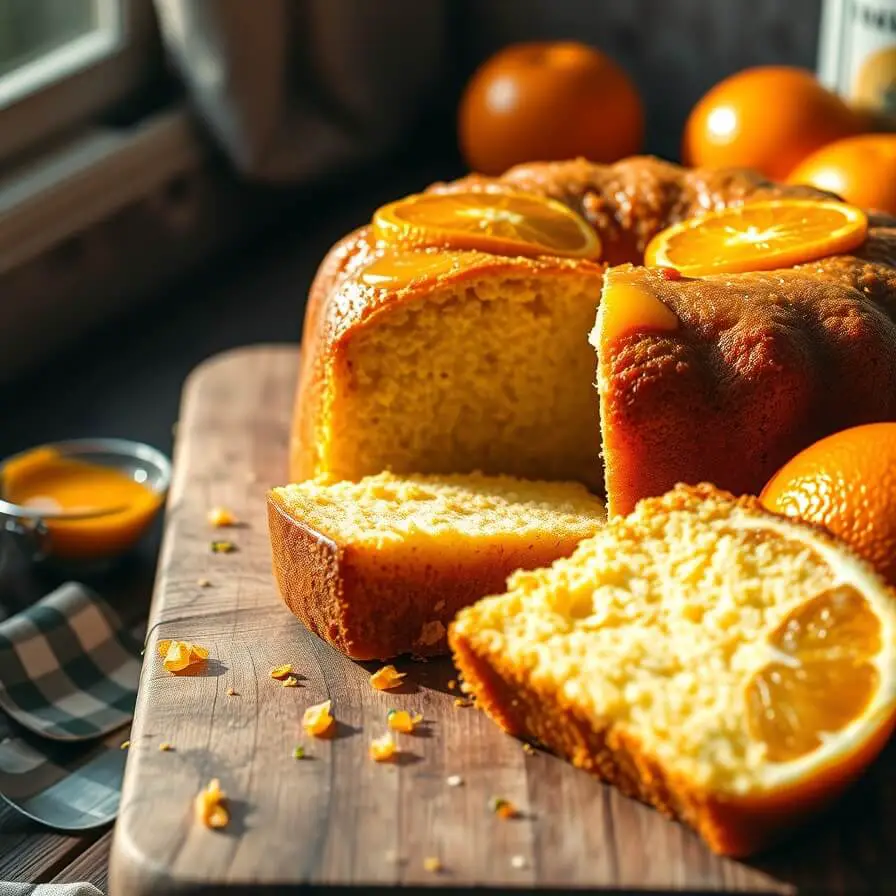
Step – 1: Preheat your oven to 350°F (175°C) and grease a 9×5-inch loaf pan. You can also line it with parchment paper for easier removal.
Step – 2: In a medium bowl, whisk together 2 cups of all-purpose flour, 2 teaspoons of baking powder, and ¼ teaspoon of salt. Set aside.
Step – 3: In a separate large mixing bowl, beat ½ cup of softened unsalted butter with 1 cup sugar until light and fluffy. This usually takes about 2–3 minutes with a hand mixer.
Step – 4: Add 3 large eggs, one at a time, beating well after each addition. Stir in 1 teaspoon of vanilla extract.
Step – 5: Gently fold in the dry ingredients in three batches, alternating with ½ cup freshly squeezed orange juice. Begin and end with the flour mixture, folding gently to maintain the cake’s airy texture.
Step – 6: Add the zest of one orange, folding it in just until evenly distributed. The zest gives a subtle pop of flavor in every bite.
Step – 7: Pour the batter into the prepared pan and smooth the top with a spatula. Tap the pan gently on the counter to release any trapped air bubbles.
Step – 8: Bake for 35–40 minutes, or until the top is golden brown and a toothpick inserted into the center comes out clean. Oven temperatures vary, so start checking at 30 minutes.
Step – 9: Allow the cake to cool in the pan for 10 minutes, then transfer to a wire rack. If you’re adding a glaze, drizzle it over the warm cake for a beautiful, slightly sticky finish.
Step – 10: Slice and enjoy! The cake is best served slightly warm, letting the citrus aroma shine through.
Substitutions
If you’re looking to tweak the recipe, there are some excellent substitutions that can enhance or adapt the cake:
- Butter alternatives: Use coconut oil or a plant-based butter substitute for a dairy-free version.
- Sugar swaps: You can replace granulated sugar with coconut sugar or a sugar substitute suitable for baking. It adds a subtle caramel note.
- Flour alternatives: For a slightly denser but equally delicious cake, try whole wheat flour or a gluten-free flour blend.
- Citrus swaps: Blood oranges, tangerines, or even mandarins work beautifully. Adjust the juice quantity slightly for sweetness.
- Glaze options: Mix orange juice with honey or maple syrup for a natural glaze. It enhances flavor while keeping the cake moist.
These small adjustments allow you to customize the cake to your taste, dietary needs, or what you have on hand.
Best Side Dishes for Orange Juice Cake
Pairing this cake with complementary flavors can elevate the entire dessert experience. Here are my top three recommendations:
- Vanilla Bean Ice Cream: The creamy richness balances the citrus tang perfectly.
- Fresh Berries: Strawberries, raspberries, or blueberries add a fresh, slightly tart contrast.
- Whipped Cream: Lightly sweetened whipped cream makes every bite feel indulgent without overpowering the citrus flavor.
These simple pairings turn a single slice of orange juice cake into a mini dessert experience.
Serving and Presentation Tips
One of my favorite things about this cake is how versatile it is when it comes to serving. It’s just as delightful on a casual afternoon tea table as it is dressed up for brunch or a small gathering.
For a simple presentation, slice the cake into even pieces and serve on a white or pastel-colored plate. A light dusting of powdered sugar or a drizzle of orange glaze makes it look effortlessly elegant. If you’re feeling extra fancy, garnish each slice with a thin orange twist or a few fresh berries—this instantly elevates the cake’s visual appeal and adds an extra pop of flavor.
Serving the cake slightly warm brings out the citrus aroma even more, while allowing it to pair beautifully with a hot cup of tea or coffee. For an indulgent twist, top each slice with a dollop of lightly whipped cream or a scoop of vanilla ice cream.
I’ve found that presentation really sets the mood. Even if it’s just a family snack, taking a minute to plate it nicely makes the experience feel special and shows a little love in every slice.
Tips and Tricks to Make This Recipe Even Better
Baking this cake can be straightforward, but a few little tricks take it from great to exceptional:
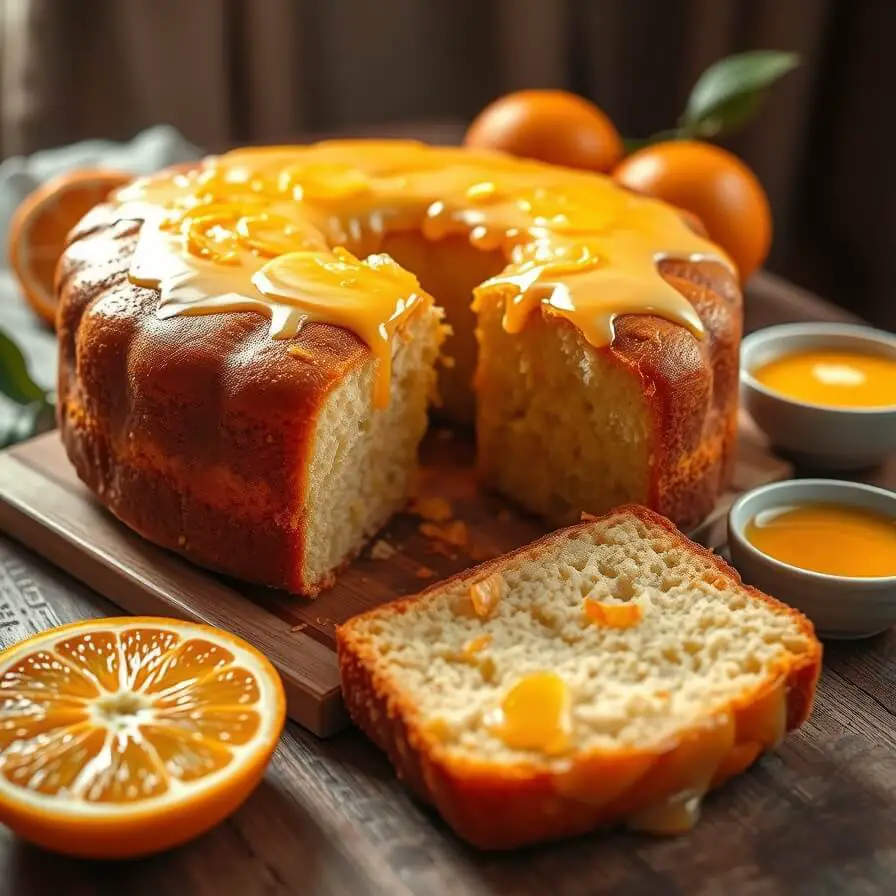
- Always use freshly squeezed orange juice. It gives a natural sweetness and tang that bottled juice can’t replicate.
- Don’t overmix the batter once you add the flour. Overmixing can make the cake dense instead of light and airy. Gently fold the ingredients until just combined.
- Room temperature eggs and butter help everything blend smoothly, ensuring a consistent texture.
- If you want a more intense orange flavor, add a teaspoon of orange extract in addition to the zest.
- For a moist, tender crumb, brush a little orange juice on the cake while it’s still warm before glazing. This keeps it soft and juicy.
These small adjustments make a noticeable difference, enhancing both flavor and texture while keeping the cake approachable for bakers of all levels.
Common Mistakes to Avoid
Even simple cakes can go wrong if you’re not careful. Here are some mistakes I’ve learned to avoid:
- Using cold ingredients: Cold butter or eggs can make it harder to blend the batter, resulting in uneven texture.
- Overbaking: Keep a close eye during the last 5–10 minutes. A dry cake is disappointing, so check with a toothpick; it should come out clean but slightly moist.
- Skipping the zest: Juice alone isn’t enough. The zest gives the fragrant orange flavor that makes this cake special.
- Pouring glaze too soon: Let the cake cool slightly before adding glaze. Pouring over piping hot cake can make the glaze run off completely.
- Substituting flour incorrectly: Gluten-free or whole wheat flours behave differently. Adjust liquids slightly if necessary to maintain the right batter consistency.
Avoiding these pitfalls ensures that your cake turns out tender, flavorful, and visually appealing every time.
How to Store It
This cake keeps beautifully and can last longer with proper storage:
- Room temperature: Wrap the cooled cake tightly in plastic wrap or place in an airtight container. It stays fresh for up to 3 days.
- Refrigerator: Store in an airtight container for up to 5 days. Let it come to room temperature before serving for the best texture.
- Freezing: Wrap tightly in plastic and then foil for up to 3 months. Thaw overnight in the fridge and finish with a glaze or fresh orange zest before serving.
Proper storage ensures you can enjoy the cake over several days without losing its tender, moist texture.
Frequently Asked Questions
Can I make this cake in a round pan instead of a loaf pan?
Absolutely! A 9-inch round pan works well. Bake for 30–35 minutes, checking for doneness with a toothpick.
Can I use orange juice from a carton?
You can, but fresh-squeezed orange juice gives a brighter flavor and more natural aroma.
Is this cake suitable for freezing?
Yes! Wrap tightly in plastic and foil, freeze up to 3 months. Thaw in the fridge and add glaze or zest before serving.
Can I make this cake dairy-free?
Yes, use plant-based butter or coconut oil. The flavor will still be rich, and texture remains tender.
Can I add nuts or chocolate chips?
Definitely! Chopped walnuts, almonds, or white chocolate chips pair beautifully with the citrus flavor. Fold them in gently before baking.

Orange Juice Cake Recipe
- Total Time: 55–60 minutes
- Yield: 8–10 1x
- Diet: Vegetarian
Description
This orange juice cake is tender, moist, and bursting with citrus flavor. Lightly sweetened and fragrant, it’s a versatile cake perfect for brunch, tea, or a cozy dessert at home. Its soft crumb, bright orange aroma, and optional glaze make it memorable yet approachable for bakers of all skill levels. Every slice tastes like a little sunshine, bringing warmth and happiness to your table.
Ingredients
- 2 cups all-purpose flour
- 2 tsp baking powder
- ¼ tsp salt
- ½ cup unsalted butter, softened
- 1 cup granulated sugar
- 3 large eggs, room temperature
- 1 tsp vanilla extract
- ½ cup freshly squeezed orange juice
- Zest of 1 orange
- Optional glaze: ½ cup powdered sugar + 2–3 tbsp orange juice
Instructions
- Preheat oven to 350°F (175°C) and grease a 9×5-inch loaf pan. Line with parchment paper if desired.
- In a medium bowl, whisk flour, baking powder, and salt. Set aside.
- Beat butter and sugar in a large bowl until light and fluffy, 2–3 minutes.
- Add eggs one at a time, mixing well, then stir in vanilla extract.
- Fold in dry ingredients in three batches, alternating with orange juice. Start and end with flour mixture.
- Gently fold in orange zest.
- Pour batter into pan, smooth top, and tap gently to release air bubbles.
- Bake 35–40 minutes until golden and toothpick comes out clean.
- Cool in pan for 10 minutes, transfer to wire rack. Add glaze if desired. Slice and serve.
Notes
- Use fresh oranges for best flavor.
- Don’t overmix batter to maintain a light texture.
- Add a simple glaze or fresh zest before serving for extra aroma.
- Optional add-ins: nuts, white chocolate chips, or fresh berries.
- Prep Time: 15 minutes
- Cook Time: 35–40 minutes
- Category: Dessert / Snack
- Method: Baking
- Cuisine: American
Nutrition
- Serving Size: 8–10
- Calories: 245
- Sugar: 22g
- Sodium: 110mg
- Fat: 10g
- Saturated Fat: 6g
- Unsaturated Fat: 4g
- Trans Fat: 0g
- Carbohydrates: 34g
- Fiber: 1g
- Protein: 3g
- Cholesterol: 60mg