
Orange Cake Recipe

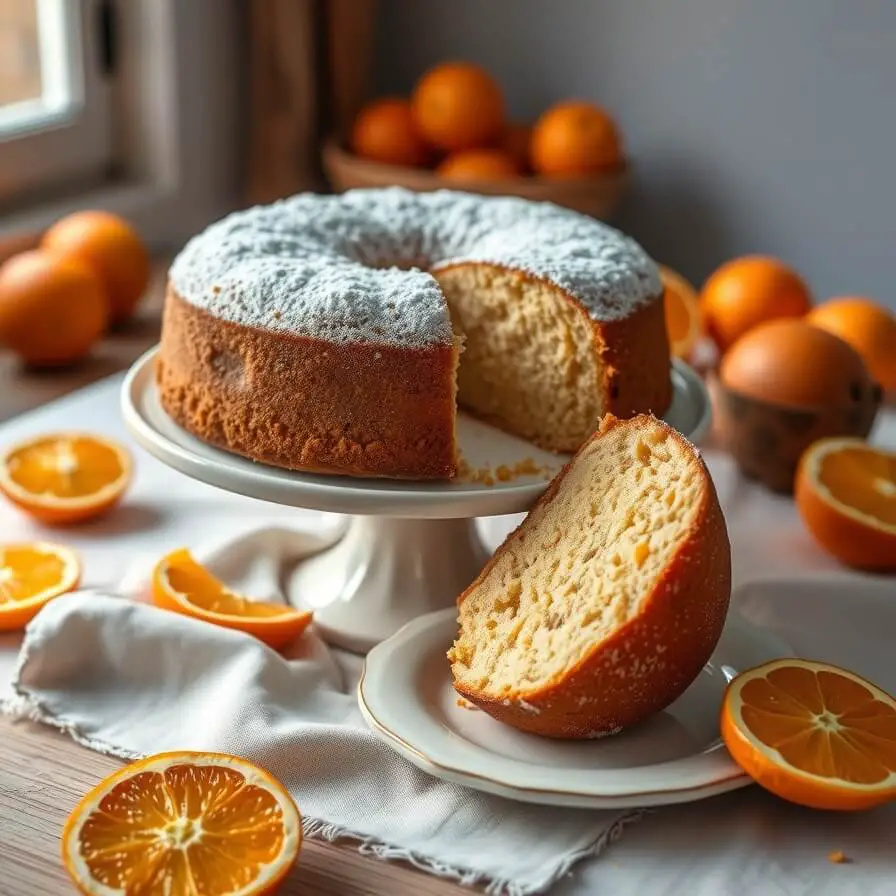
There are some recipes that feel like a mood more than a dessert, and this orange cake is one of them. I usually make it on quiet afternoons when I want the house to smell warm and comforting, but not heavy. The kind of day when you open the windows just a crack and let fresh air mix with the scent of citrus and vanilla drifting from the oven.
This cake started as a simple experiment. I had a bowl of oranges on the counter that were getting a little too soft, and I didn’t want to waste them. I wasn’t looking for anything fancy. I just wanted a soft, everyday cake I could slice, dust with powdered sugar, and eat with a cup of tea. What came out of the oven surprised me. It was tender, gently sweet, and filled with real orange flavor, not the artificial kind that disappears after one bite.
Now it’s one of those recipes my family asks for casually, usually phrased as, “That orange cake you make… you know, the good one.” It’s simple, honest, and feels homemade in the best way, like something you’d find handwritten on a recipe card tucked into an old cookbook.
Why I Love This Recipe
What makes this orange cake special is how naturally flavorful it is without trying too hard. The orange isn’t just there for sweetness. It gives the cake brightness, moisture, and a softness that lasts for days. This is not a dry loaf you have to drown in glaze to enjoy. It’s tender on its own, with a crumb that feels almost buttery even though it uses simple pantry ingredients.
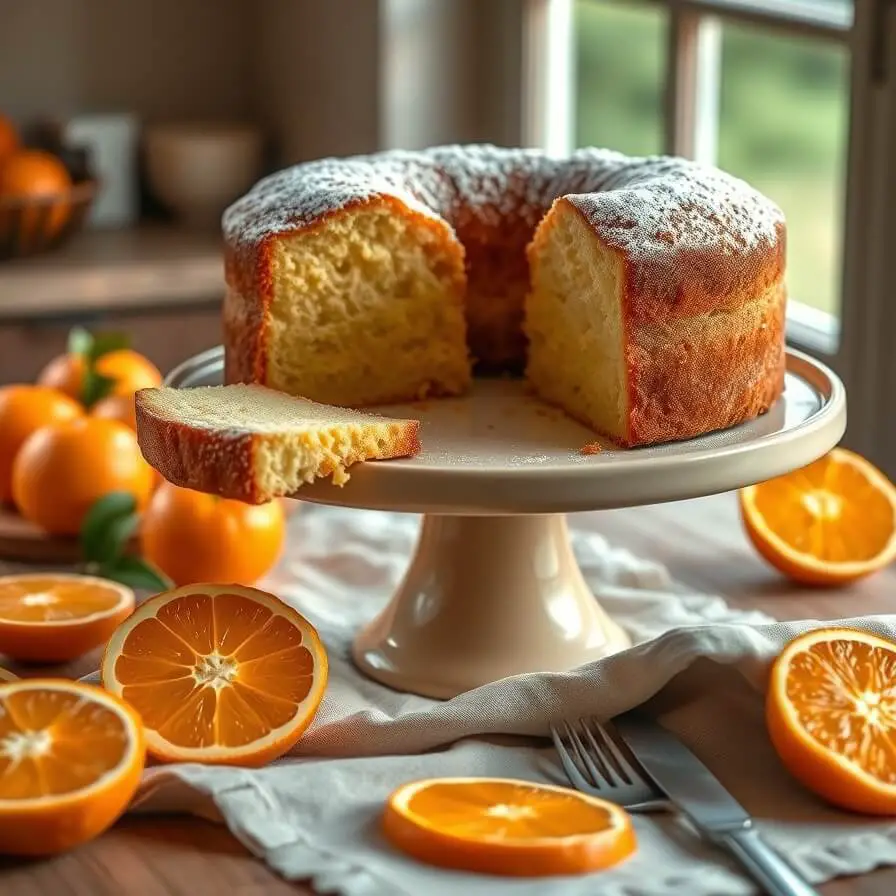
I love that it feels appropriate for so many moments. It works as a breakfast cake with coffee, an afternoon snack, or a light dessert after dinner. It doesn’t scream celebration, but it quietly shows up and does its job beautifully. That’s the kind of recipe I come back to again and again.
Another reason I adore this cake is how forgiving it is. You don’t need perfect oranges or fancy equipment. If your zest is a little uneven or your juice isn’t measured down to the last drop, it still works. The batter comes together easily, and the cake bakes evenly without fussing or stress.
Most of all, this recipe feels real. It’s not overly sweet, not overly rich, and not trying to be trendy. It tastes like something made in a warm kitchen for people you care about. That, to me, is always worth baking.
Ingredients for Orange Cake Recipe
The ingredients for this orange cake are simple, but each one plays an important role in building flavor and texture. I like to talk through them rather than just list them, because understanding why they’re there helps you bake with confidence.
You’ll start with all-purpose flour, which gives the cake structure without making it heavy. I always spoon it into the measuring cup instead of scooping directly from the bag, just to keep the crumb soft and light.
Granulated sugar adds sweetness, of course, but it also helps create that tender texture we want. This cake isn’t overly sweet, so don’t be tempted to cut the sugar too much or the orange flavor won’t shine properly.
Fresh oranges are the heart of this recipe. You’ll use both the zest and the juice. The zest brings intense aroma and flavor, while the juice adds moisture and a gentle tang. I always zest the oranges before juicing them. It makes life easier and saves frustration.
Eggs help bind everything together and give the cake richness. I like to use them at room temperature so they mix smoothly into the batter without curdling.
Oil is what keeps this cake moist for days. I usually use a neutral oil like vegetable or sunflower oil. Butter would add flavor, but oil gives a softer crumb that stays fresh longer.
A little milk helps loosen the batter and makes the cake tender. You can use whole milk or whatever you have on hand.
Baking powder gives the cake its lift, while a small pinch of salt balances the sweetness and sharpens the orange flavor. A touch of vanilla rounds everything out and makes the cake taste warm and complete.
How Much Time Will You Need
This orange cake is perfect when you want something homemade but don’t want to spend all day in the kitchen. The prep time is relaxed and unhurried, usually about fifteen to twenty minutes. That includes zesting and juicing the oranges and mixing the batter.
The cake bakes for around forty to forty-five minutes, depending on your oven. While it’s baking, the smell alone feels like a reward. After baking, I like to let it cool for at least twenty minutes before slicing. This helps the crumb set and makes cleaner slices.
From start to finish, you’re looking at just over an hour, most of which is hands-off. It’s the kind of recipe that fits easily into a normal day without feeling like a project.
How to Make This Orange Cake Recipe
This cake comes together in a simple, reassuring way. No complicated techniques, no stress, just steady steps that lead to a beautiful result.
Step – 1:
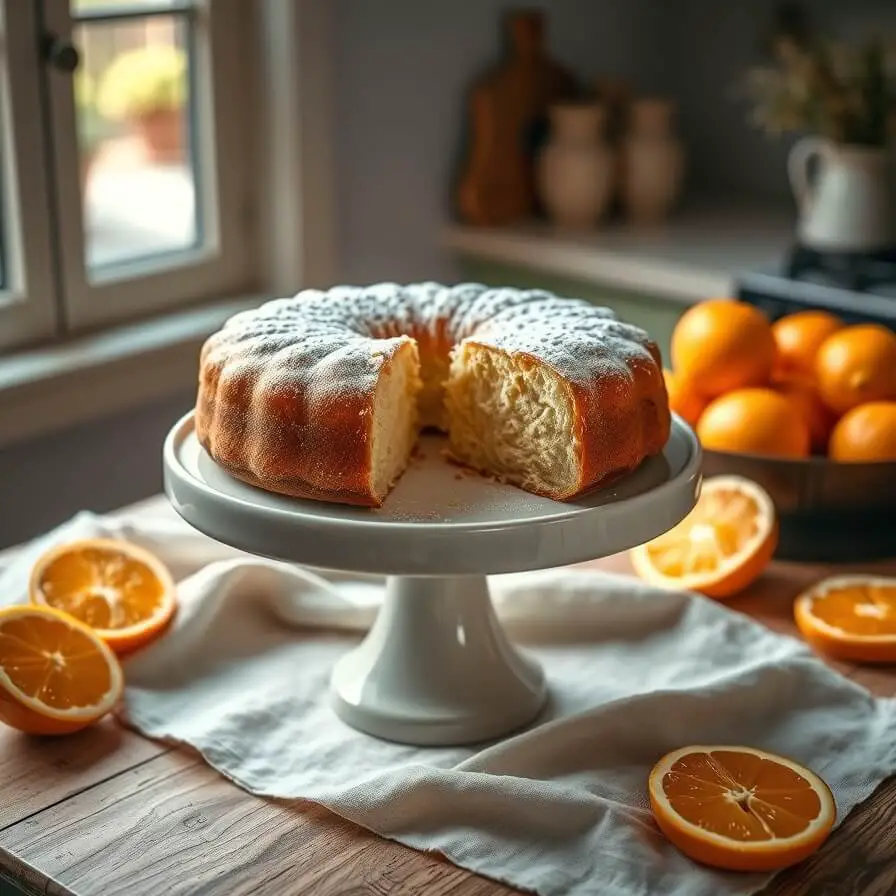
Start by preheating your oven and greasing your cake pan. I usually use a round pan, but a loaf pan works too. Line the bottom with parchment if you want easy removal.
Step – 2:
In a large bowl, whisk together the eggs and sugar until the mixture looks pale and slightly thickened. You don’t need a mixer here. A whisk and a little arm power are enough.
Step – 3:
Slowly pour in the oil while whisking. This helps the batter emulsify and stay smooth. Add the milk, vanilla, orange zest, and fresh orange juice. The batter will smell incredible at this stage.
Step – 4:
In a separate bowl, mix the flour, baking powder, and salt. Add the dry ingredients to the wet mixture in batches. Stir gently, just until you don’t see dry flour anymore. Overmixing can make the cake dense, so stop as soon as it comes together.
Step – 5:
Pour the batter into your prepared pan and smooth the top lightly. Tap the pan once on the counter to release any air bubbles.
Step – 6:
Bake until the top is lightly golden and a toothpick inserted in the center comes out clean or with a few soft crumbs. Let the cake cool in the pan briefly before turning it out onto a rack.
Substitutions
One of the nicest things about this orange cake is how adaptable it is. If you’re missing something or want to adjust it slightly, you have options.
If you don’t have fresh oranges, bottled orange juice will work in a pinch, but I strongly recommend fresh zest if you can manage it. The zest carries most of the flavor.
You can swap the milk for plant-based milk like almond or oat milk without changing the texture too much. The cake will still be tender and flavorful.
If you prefer butter over oil, you can use melted butter, but expect a slightly firmer crumb and a richer taste. Both versions are lovely, just different.
For a deeper citrus note, you can replace part of the orange juice with lemon juice. It adds a gentle brightness that complements the orange beautifully.
Best Side Dish of Orange Cake Recipe
This cake pairs beautifully with simple sides that don’t overpower its delicate citrus flavor.
A dollop of lightly sweetened whipped cream adds softness and makes it feel more dessert-like.
Fresh berries, especially strawberries or raspberries, bring a pop of color and a hint of tartness.
A cup of hot tea or coffee is often all you need. Sometimes the best side dish is just a quiet moment to enjoy it.
Serving and Presentation Tips
This orange cake doesn’t need much to look inviting, which is part of its charm. There’s something lovely about placing it on the table just as it is, still slightly warm, with that soft citrus aroma lingering in the air. I often dust the top lightly with powdered sugar right before serving. It catches in the cracks of the cake and gives it that simple, bakery-style finish without feeling overdone.
If you’re serving it to guests, a slice on a small plate with a few fresh orange segments or berries on the side makes it feel thoughtful and intentional. I sometimes add a thin slice of orange on top of each piece, especially when I’m serving it in the afternoon with tea. It’s subtle, but it hints at what’s inside.
For a slightly more dressed-up version, you can drizzle a very light orange glaze over the top and let it drip naturally down the sides. I keep it thin so it soaks in a little instead of sitting heavy on top. The goal is always to enhance, not cover up, the cake itself.
Tips and Tricks to Make This Recipe Better
The biggest tip I can give you is to use fresh oranges and take your time zesting them. The zest holds the essential oils that give this cake its signature fragrance. Try to avoid the white pith underneath, which can add bitterness.
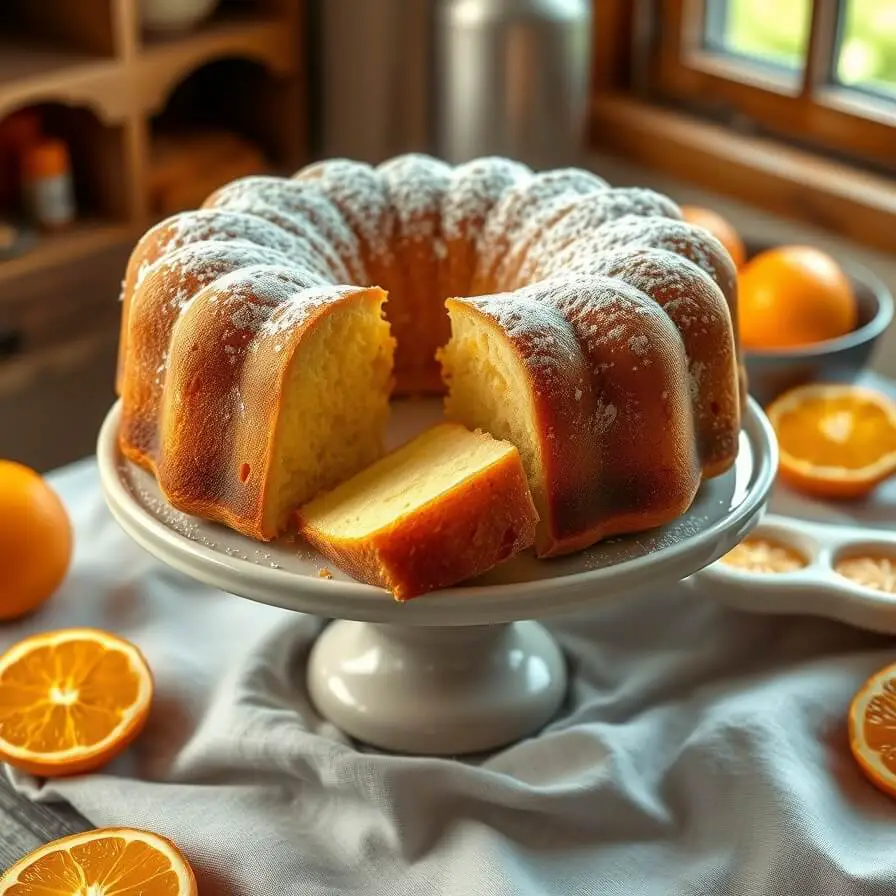
Room-temperature ingredients really do make a difference here. When the eggs and milk aren’t cold, they blend more smoothly into the batter, giving you a more even crumb.
Another small trick is to rub the orange zest into the sugar with your fingers before mixing. This releases even more aroma and infuses the sugar with citrus flavor from the very beginning.
If you want a slightly more moist cake, brush the warm cake with a few spoonfuls of fresh orange juice as soon as it comes out of the oven. It soaks in gently and adds another layer of flavor without making the cake soggy.
Common Mistakes to Avoid
One common mistake is overmixing the batter once the flour is added. It’s tempting to keep stirring until everything looks perfectly smooth, but that can make the cake dense. Stop as soon as the flour disappears.
Another issue is baking the cake too long. Every oven is different, so start checking a few minutes early. The cake should be just set in the center, not dry.
Using old baking powder can also affect the rise. If your cake doesn’t lift as expected, it’s often not the recipe but the leavening agent that’s to blame.
Finally, don’t skip the cooling time. Cutting into the cake too soon can cause it to crumble and lose its structure. A little patience pays off here.
How to Store It
This orange cake stores beautifully, which makes it perfect for baking ahead. Once completely cooled, you can keep it covered at room temperature for up to two days. I usually place it in an airtight container or wrap it well with plastic wrap.
If you want it to last longer, store it in the refrigerator for up to five days. Let it come back to room temperature before serving so the texture softens again.
You can also freeze this cake. Wrap individual slices tightly and freeze for up to two months. Thaw at room temperature, and it will taste almost as fresh as the day you baked it.
FAQ
Can I make this orange cake ahead of time?
Yes, this cake is actually better the next day as the flavors have time to settle and deepen.
Can I use mandarins or clementines instead of oranges?
You can, but the flavor will be slightly sweeter and less bold. If you do, add a bit of lemon zest to balance it out.
Why is my cake dry?
This usually happens from overbaking or using too much flour. Measuring carefully and checking early helps prevent this.
Can I turn this into a loaf cake?
Absolutely. Just adjust the baking time and check for doneness in the center.
Does this cake need frosting?
Not at all. It’s designed to stand on its own, but a light glaze or dusting of sugar is always welcome.

Orange Cake Recipe
- Total Time: 1 hour 5 minutes
- Yield: 8 1x
- Diet: Vegetarian
Description
This orange cake is the kind of recipe you come back to when you want something reliable, comforting, and quietly impressive. It’s made with fresh oranges, simple pantry ingredients, and a method that doesn’t require special skills or equipment. The result is a tender, moist cake with real citrus flavor running through every bite. It’s not overly sweet, making it perfect for breakfast, afternoon tea, or a light dessert. Whether you serve it plain, with a dusting of powdered sugar, or a gentle orange glaze, this cake feels homemade in the best possible way. It’s the kind of bake that fills your kitchen with warmth and makes people ask for seconds without even realizing it.
Ingredients
- All-purpose flour
- Granulated sugar
- Fresh oranges for zest and juice
- Eggs
- Neutral oil
- Milk
- Baking powder
- Salt
- Vanilla extract
Instructions
- Preheat the oven and prepare your cake pan.
- Whisk eggs and sugar until pale and slightly thick.
- Add oil, milk, vanilla, orange zest, and juice, mixing gently.
- Stir in dry ingredients just until combined.
- Pour batter into the pan and bake until set in the center.
- Cool before slicing and serving.
Notes
- For extra moisture, brush the warm cake with a little fresh orange juice. Always use fresh zest for the best flavor, and avoid overmixing once the flour is added.
- Prep Time: 20 minutes
- Cook Time: 45 minutes
- Category: Dessert
- Method: Baking
- Cuisine: American
Nutrition
- Serving Size: 8
- Calories: 320
- Sugar: 22g
- Sodium: 180mg
- Fat: 14g
- Saturated Fat: 2g
- Unsaturated Fat: 11g
- Trans Fat: 0g
- Carbohydrates: 45g
- Fiber: 2g
- Protein: 5g
- Cholesterol: 55mg