Maryland Crab Cakes Recipe

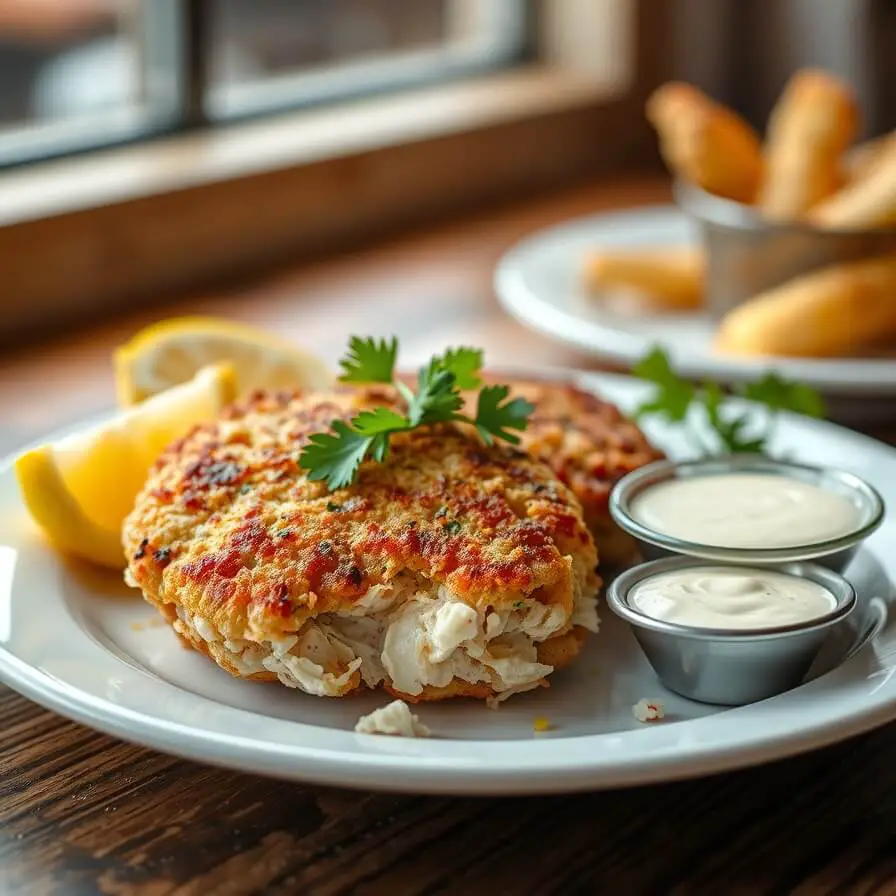
The first time I made Maryland crab cakes, I was standing at my kitchen counter with a bowl of beautiful jumbo lump crab meat and a very real sense of pressure. This isn’t just any crab cake. This is the crab cake—the kind people on the East Coast have strong opinions about. No fillers. No funny business. Just sweet crab, barely held together, cooked gently so it stays tender and rich.
I remember my family hovering nearby, asking the same question over and over: “Are these the real Maryland kind?” That’s when I knew I had to respect the recipe. Maryland crab cakes aren’t about hiding crab under breadcrumbs or sauces. They’re about letting the crab shine, seasoning it just enough, and handling it carefully.
This is the recipe I come back to every summer, every special dinner, and every time I want something that feels both simple and indulgent. It’s not complicated food, but it does require intention. If you’ve ever wanted to make crab cakes that taste like they came straight from a coastal kitchen, this is the place to start.
Why I Love This Recipe
I love this Maryland crab cakes recipe because it respects the ingredient that matters most: the crab. Too many crab cakes end up tasting like seasoned bread with a hint of seafood. This one is the opposite. When you break into it with a fork, you see big, tender chunks of crab, lightly bound and still juicy.
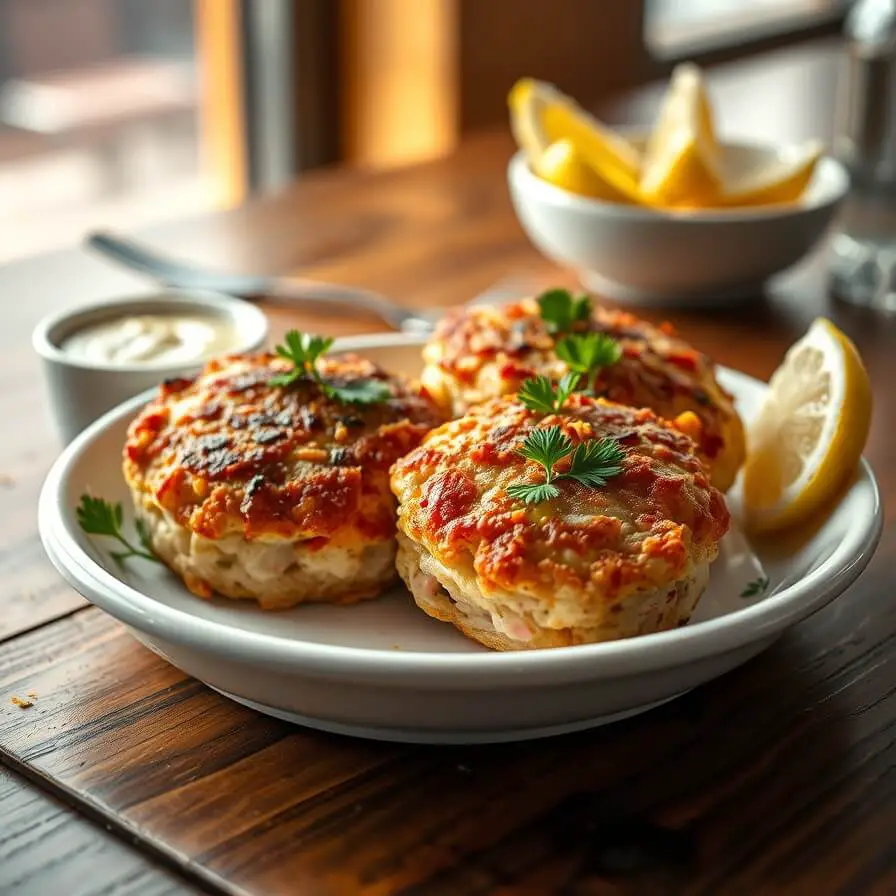
What makes this recipe special is restraint. There’s just enough mayonnaise and egg to hold everything together, just enough seasoning to enhance the natural sweetness of the crab, and no unnecessary fillers fighting for attention. Old Bay seasoning plays a quiet but important role here—it whispers “Maryland” without overpowering the dish.
This is also a recipe that feels confident. It doesn’t rely on heavy sauces or deep frying to be impressive. Pan-seared gently until golden, the crab cakes develop a delicate crust while staying soft inside. They’re elegant enough for guests, but simple enough to make on a weeknight when you want something special without stress.
Most of all, I love how this recipe brings people together. Every time I serve these, someone pauses mid-bite and says, “Wow.” That reaction never gets old.
Ingredients for Maryland Crab Cakes
The ingredient list for Maryland crab cakes is short, but every item matters. This is not the place to cut corners, especially when it comes to the crab.
The star is jumbo lump crab meat. Fresh is best, but high-quality pasteurized crab meat works beautifully too. Look for jumbo lump or lump, not claw meat. You want big, tender pieces that will stay intact.
Mayonnaise adds richness and moisture. I prefer a good-quality, full-fat mayonnaise because it helps bind the cakes without making them heavy.
Egg acts as the glue. One egg is enough—any more and the cakes become dense.
Dijon mustard adds a subtle tang that balances the sweetness of the crab. It doesn’t scream mustard; it just rounds everything out.
Old Bay seasoning is essential. This is what gives Maryland crab cakes their signature flavor. If you’ve ever had crab cakes near the Chesapeake Bay, this is that taste.
Fresh parsley adds a bit of freshness and color. It’s optional, but I like how it brightens the finished dish.
Breadcrumbs should be minimal. I usually use crushed saltine crackers or panko, but only enough to help the cakes hold their shape. The goal is crab, not crumbs.
A little lemon juice wakes everything up and keeps the flavors clean and bright.
Butter or oil is needed for cooking, giving the crab cakes that beautiful golden crust.
How Much Time Will You Need
This is one of those recipes that feels impressive but doesn’t eat up your entire day.
From start to finish, you’re looking at about 35 to 40 minutes. Preparation takes around 15 minutes, especially if your ingredients are ready to go. Shaping the crab cakes is quick, but you’ll want to move slowly and gently.
Cooking takes about 10 minutes total, with a short rest in the fridge beforehand if you have time. That chilling step isn’t mandatory, but it does help the cakes hold together better in the pan.
It’s an ideal recipe for when you want something special without committing to hours in the kitchen.
How to Make This Maryland Crab Cakes Recipe
This process is simple, but the key is being gentle. Think of this as assembling rather than mixing.
Step – 1: Prepare the crab carefully
Open the crab meat and place it in a large bowl. Take a moment to check for any shell fragments. Try not to break up the lumps—you want those big pieces intact.
Step – 2: Mix the binder separately
In a small bowl, whisk together the mayonnaise, egg, Dijon mustard, Old Bay seasoning, lemon juice, and parsley. Mixing this separately ensures even seasoning without overworking the crab.
Step – 3: Combine gently
Pour the binder mixture over the crab meat. Sprinkle the breadcrumbs on top. Using a rubber spatula or your hands, gently fold everything together. Stop as soon as it comes together. Overmixing is the enemy here.
Step – 4: Shape the crab cakes
Divide the mixture into equal portions and gently form them into patties. Don’t pack them tightly. They should feel soft but hold their shape.
Step – 5: Chill briefly
If time allows, place the crab cakes in the refrigerator for about 15 minutes. This helps them firm up and makes cooking easier.
Step – 6: Cook until golden
Heat butter or oil in a skillet over medium heat. Carefully place the crab cakes in the pan and cook for about 4 to 5 minutes per side, until golden brown and warmed through. Flip gently.
Step – 7: Rest before serving
Let the crab cakes rest for a minute or two before serving. This helps them set and keeps them tender.
Substitutions
One of the beauties of this recipe is how adaptable it can be without losing its soul.
If you don’t have Old Bay seasoning, you can make a simple blend with paprika, celery salt, black pepper, and a pinch of cayenne. It won’t be identical, but it will still taste great.
For breadcrumbs, crushed saltines are the traditional choice and add a subtle saltiness that works beautifully. Panko makes the cakes slightly lighter in texture.
If mayonnaise isn’t your favorite, a mix of mayo and sour cream can work, though the flavor will be a bit tangier.
Fresh crab is ideal, but good-quality pasteurized crab meat is a perfectly acceptable and practical substitute, especially if you’re far from the coast.
Best Side Dish of Maryland Crab Cakes
Maryland crab cakes shine brightest when paired with simple sides that don’t steal the spotlight.
A crisp coleslaw adds crunch and acidity, balancing the richness of the crab.
Roasted or steamed asparagus keeps the plate light and elegant.
Classic corn on the cob, especially in summer, brings sweetness that complements the crab beautifully.
Serving and Presentation Tips
There’s something about Maryland crab cakes that feels instantly special the moment they hit the plate. Maybe it’s the golden crust, or maybe it’s knowing what’s inside. Either way, how you serve them really matters.
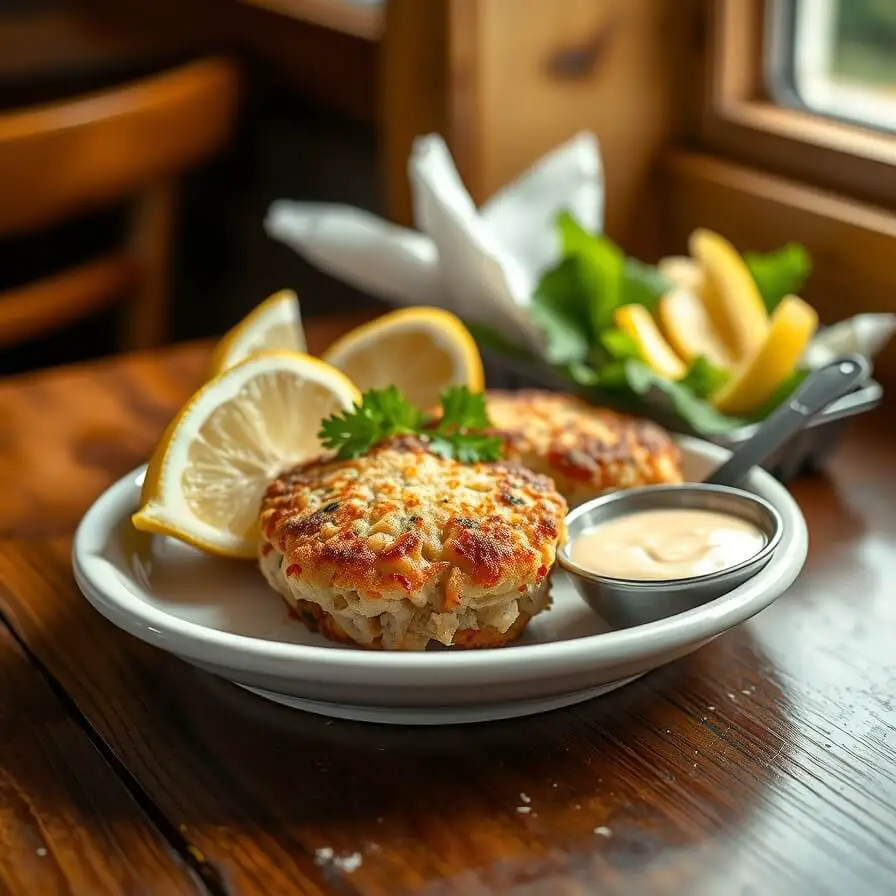
I like to keep the presentation clean and confident, just like the recipe itself. Place the crab cakes gently on a warm plate so they don’t cool too quickly. A small squeeze of fresh lemon right before serving adds brightness and makes the flavors pop without overpowering the crab.
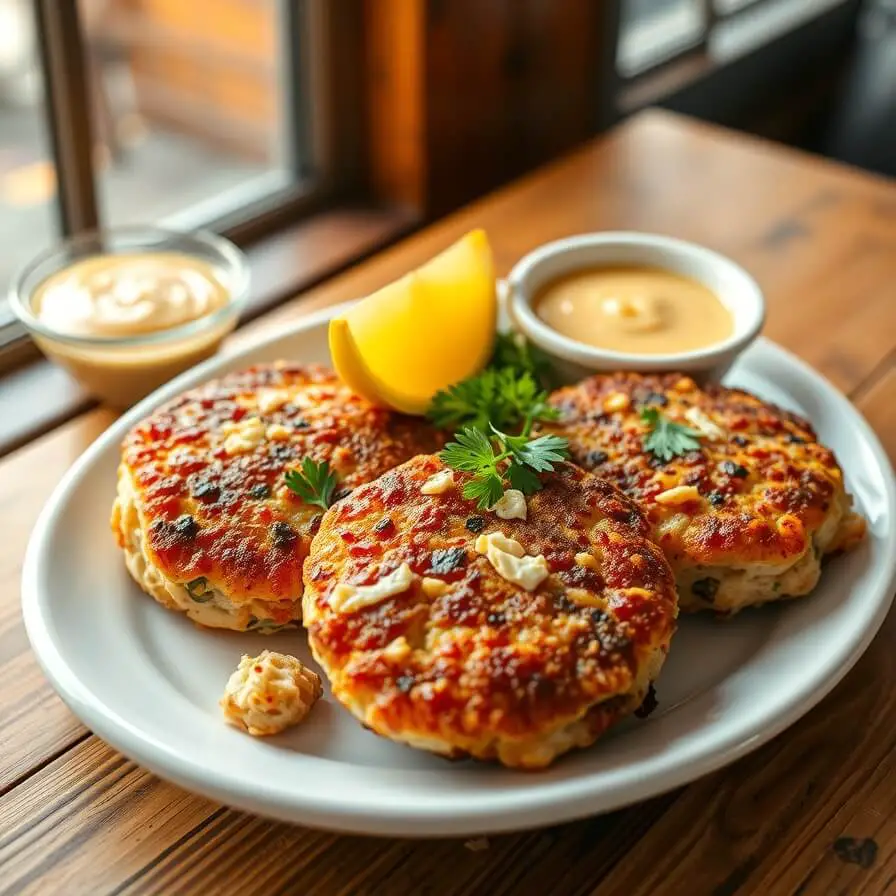
If you’re serving guests, a simple drizzle of homemade tartar sauce or a light lemon aioli on the side works beautifully. Keep sauces minimal—this isn’t a dish that needs to be drowned in anything. Let the crab remain the hero.
For a more elegant presentation, serve the crab cake slightly off-center with a small pile of greens or a neat scoop of coleslaw beside it. Even a sprinkle of fresh parsley on top can make it feel restaurant-worthy without trying too hard.
Tips and Tricks to Make This Recipe Even Better
If there’s one thing I’ve learned after making crab cakes more times than I can count, it’s that small details make a big difference.
First, always keep the crab cold until you’re ready to use it. Cold crab holds its shape better and gives you cleaner, more defined cakes. If the mixture feels too soft, don’t panic—chilling it briefly will solve most problems.
Second, use your hands sparingly. The warmth from your hands can break down the crab if you overwork it. Gentle folding is enough. You’re not kneading dough here.
Cooking temperature matters more than people think. Medium heat is your friend. Too hot, and the outside browns before the inside warms. Too low, and you miss that beautiful crust.
Finally, trust your instincts. If the mixture looks too wet, add a tiny bit more breadcrumb. If it looks dry, a spoonful of mayonnaise can bring it back to life. Cooking is personal, and this recipe welcomes that.
Common Mistakes to Avoid
The most common mistake with Maryland crab cakes is using too many fillers. Breadcrumbs, crackers, or flour should never compete with the crab. If your mixture looks like stuffing, you’ve gone too far.
Another big mistake is overmixing. This breaks down the delicate crab meat and turns your cakes dense instead of tender. Stop mixing as soon as everything comes together.
Flipping too early is another issue. Let the crab cakes develop a crust before turning them. If they stick, they’re not ready.
Lastly, skipping seasoning altogether can leave the cakes flat. While subtlety is important, a light hand with Old Bay and salt is still necessary to bring out the crab’s natural sweetness.
How to Store It
If you have leftovers, Maryland crab cakes store better than most people expect—as long as you treat them gently.
Once cooled, place them in an airtight container and refrigerate for up to two days. Reheat them in a skillet over low heat to maintain the crust, or in the oven at a gentle temperature.
You can also freeze uncooked crab cakes. Place them on a baking sheet, freeze until solid, then transfer to a freezer-safe container. Cook them straight from frozen, adding a few extra minutes per side.
Avoid microwaving if possible. It tends to make the crab rubbery and dulls the flavor.
FAQ
Can I bake Maryland crab cakes instead of pan-frying?
Yes, you can bake them at a moderate temperature until golden, but pan-frying gives the best crust and texture.
What’s the best crab meat to use for authentic flavor?
Jumbo lump crab meat is ideal. It gives you large, tender pieces that define a true Maryland crab cake.
Why are my crab cakes falling apart?
This usually means the mixture needs a bit more binding or chilling time. A short rest in the fridge can make a big difference.
Can I make these ahead of time?
Absolutely. You can prepare and shape the crab cakes a day ahead, keep them chilled, and cook just before serving.
What sauce goes best with Maryland crab cakes?
Classic tartar sauce, lemon aioli, or even a simple squeeze of lemon all work beautifully.
Maryland Crab Cakes Recipe
- Total Time: 25 minutes
- Yield: 4 1x
- Diet: Gluten Free
Description
These Maryland crab cakes are all about simplicity and respect for the ingredient. Big chunks of sweet crab meat are gently bound with just enough seasoning to enhance, not hide, their natural flavor. This is the kind of recipe that feels timeless—elegant enough for guests, comforting enough for family dinners, and simple enough to make again and again. Each bite delivers tender crab, a light golden crust, and that unmistakable coastal flavor that makes Maryland crab cakes so beloved.
Ingredients
- Jumbo lump crab meat
- Mayonnaise
- Egg
- Dijon mustard
- Old Bay seasoning
- Fresh lemon juice
- Fresh parsley
- Gluten-free breadcrumbs or crushed gluten-free crackers
- Butter or oil for cooking
Instructions
- Gently check the crab meat for shell fragments and place it in a large bowl.
- Whisk together mayonnaise, egg, mustard, seasoning, lemon juice, and parsley in a separate bowl.
- Carefully fold the mixture into the crab, adding breadcrumbs just until it holds together.
- Shape into loose patties and chill briefly if needed.
- Pan-sear in butter or oil over medium heat until golden on both sides.
- Rest briefly before serving.
Notes
- Handle the mixture gently and avoid adding extra fillers. Less is more when it comes to crab cakes.
- Prep Time: 15 minutes
- Cook Time: 10 minutes
- Category: Main Course
- Method: Pan-Seared
- Cuisine: American
Nutrition
- Serving Size: 4
- Calories: 320
- Sugar: 1g
- Sodium: 620mg
- Fat: 22g
- Saturated Fat: 5g
- Unsaturated Fat: 15g
- Trans Fat: 0g
- Carbohydrates: 6g
- Fiber: 1g
- Protein: 22g
- Cholesterol: 145mg