Crab Cakes Recipe

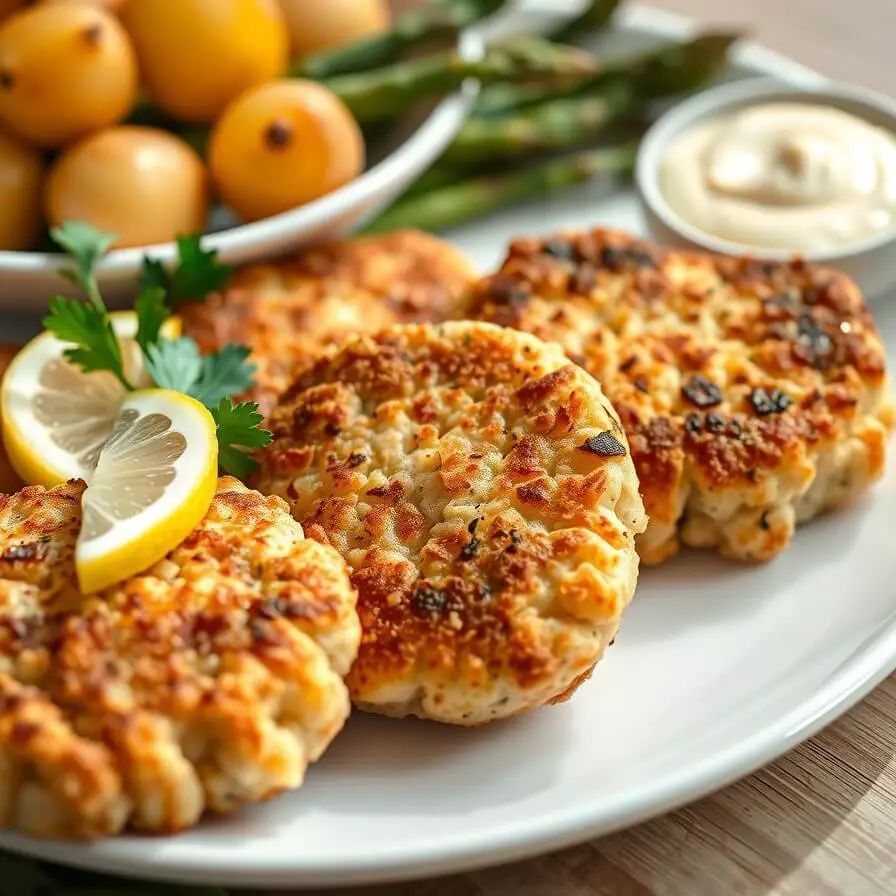
When I first tried crab cakes, it was at a tiny seafood shack by the coast during a summer getaway. I remember the warm breeze, the salty air, and that first bite—a perfect crunch giving way to a sweet, tender crab filling that practically melted in my mouth. From that day, I knew I had to try making them at home.
Over the years, I’ve experimented with different ways to make crab cakes: some with heavier breading, others packed with extra seasoning. What I’ve discovered is that the magic lies in balance: you want the crab to shine while still having just enough binder to hold everything together. I love making crab cakes for weekend dinners, family gatherings, or even a casual weeknight treat because they feel fancy without being intimidating. And trust me, once you’ve made them yourself, store-bought ones just won’t cut it anymore.
The aroma of butter sizzling in a pan as crab cakes cook, the gentle golden crust forming, and the satisfaction of plating them with a simple lemon wedge—it’s a little ritual I’ve come to adore. Every time I make these, my family huddles around the kitchen, eager for that first bite.
Why I Love This Recipe
There’s something about homemade crab cakes that feels truly special. Unlike fried fast-food versions, this recipe is delicate and brimming with flavor, letting the natural sweetness of the crab shine. I love that it’s not overly complicated—just fresh ingredients, a few pantry staples, and a little patience.
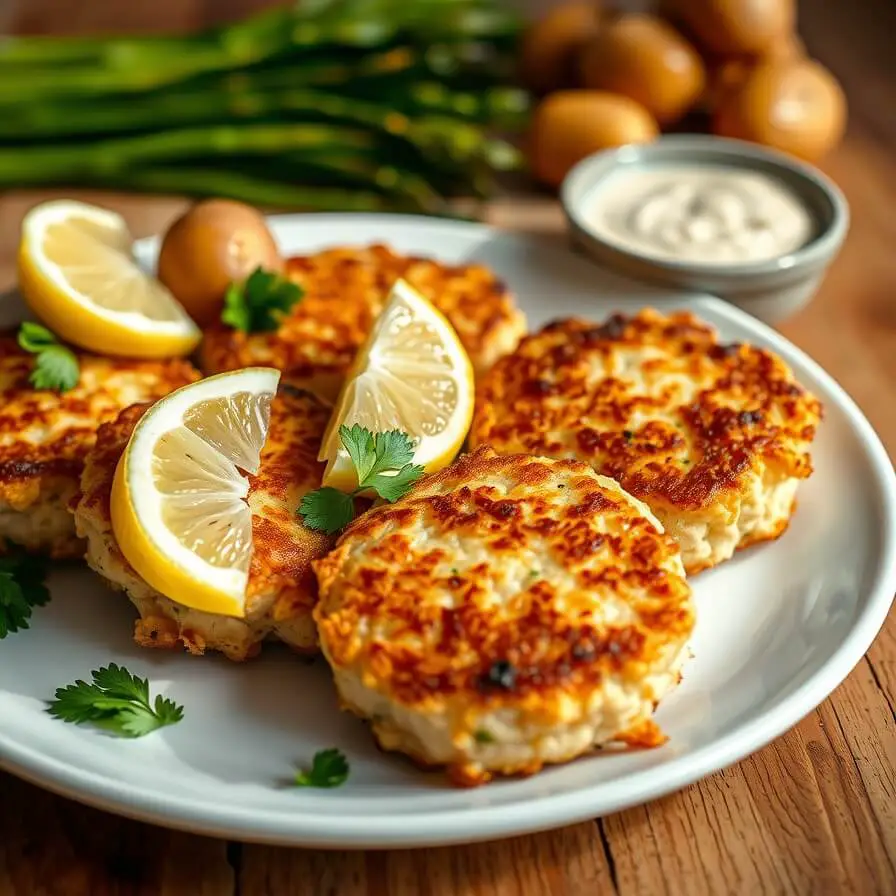
What sets this recipe apart is the combination of textures. The exterior is crisp and golden, while the interior remains moist and tender. I also love how versatile it is—you can make it as simple or as gourmet as you like, adding herbs, spices, or a touch of Dijon mustard for depth.
For me, crab cakes are more than a dish—they’re a conversation starter. They bring people together, whether you’re making them for a holiday spread or a casual dinner. The recipe also has a personal touch: my family loves when I add a hint of Old Bay seasoning, which instantly transports me back to those summer days by the shore. It’s comforting, satisfying, and feels luxurious all at once.
Ingredients for Crab Cakes
I like to think of crab cakes as a delicate balance of flavors and textures, so choosing the right ingredients is crucial.
You’ll need fresh lump crab meat—this is the star of the show, so quality matters. Avoid pre-packaged imitation crab; it just won’t give you the same flavor. I often use a mix of jumbo and backfin lumps for that perfect mix of tenderness and bite.
For the binder, I use a combination of mayonnaise and a touch of Dijon mustard. This keeps the cakes moist without making them heavy. Fresh herbs like parsley add a bright, herbal note, while a squeeze of lemon juice enhances the natural sweetness of the crab.
Breadcrumbs are essential to hold everything together, but I prefer using panko for its light, airy texture—it gives the cakes a crisp exterior without weighing them down. For seasoning, Old Bay is my go-to; it brings a gentle spice and a nostalgic coastal flavor. Salt and freshly cracked black pepper round it out.
Finally, a little butter and oil in the pan ensures a perfect golden sear without sticking. Each ingredient plays a specific role, and when combined thoughtfully, they create a crab cake that feels elegant yet approachable.
How Much Time Will You Need
Making crab cakes is actually quicker than most people think. The entire process, from mixing to pan-frying, usually takes about 40 minutes.
Prep time—about 15 minutes—is spent gently mixing the crab with the other ingredients, shaping the cakes, and prepping your pan. Cooking time takes roughly 20–25 minutes, depending on how many you’re making at once and the size of your cakes. The remaining few minutes are for plating, adding lemon wedges, or whipping up a quick dipping sauce.
I always recommend setting aside a little extra time if you’re new to shaping the cakes—they’re delicate and take a gentle hand. Once you get the hang of it, though, it becomes a smooth, almost meditative process.
How to Make Crab Cakes
Step – 1: Prepare the crab mixture
Gently pick through your crab meat to remove any shells. In a medium bowl, combine the crab with mayonnaise, Dijon mustard, fresh parsley, a squeeze of lemon juice, and Old Bay seasoning. Add a pinch of salt and black pepper. Mix carefully, so the crab stays in chunks rather than turning into a paste.
Step – 2: Add the breadcrumbs
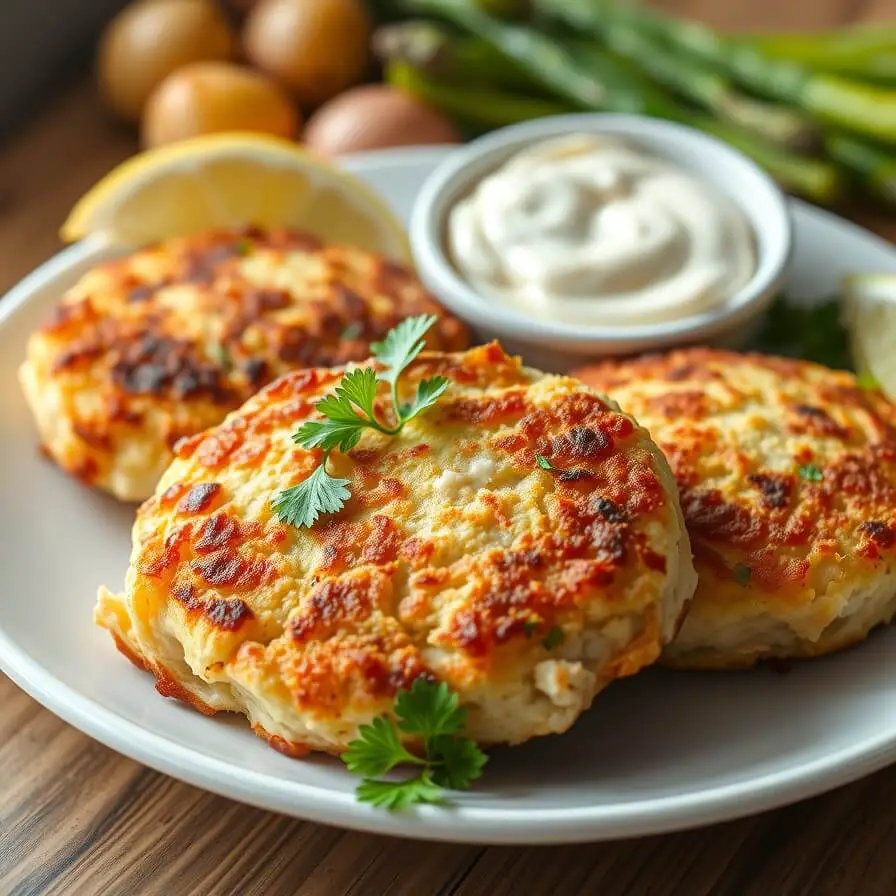
Sprinkle in panko breadcrumbs gradually. You want just enough to help bind the mixture without drying it out. The mixture should hold together when gently pressed but still feel soft and tender.
Step – 3: Shape the cakes
Divide the mixture into equal portions. I usually make four large cakes, but you can make smaller ones for appetizers. With lightly oiled hands, shape each portion into a patty about 1 inch thick. Place them on a plate and refrigerate for 10–15 minutes—this helps them hold together while cooking.
Step – 4: Heat the pan
In a large skillet, heat a mixture of butter and oil over medium heat. You want enough to coat the pan but not submerge the cakes.
Step – 5: Cook the crab cakes
Gently place the cakes in the pan, leaving space between them. Cook for about 3–4 minutes per side, or until golden brown and crisp. Resist the urge to move them too early—they need a little patience to form a perfect crust.
Step – 6: Serve warm
Once done, transfer to a plate lined with paper towels to absorb any excess oil. Serve immediately with a wedge of lemon or your favorite dipping sauce.
Substitutions
If you’re looking to switch things up, there are a few substitutions that can elevate your crab cakes.
For the binder, Greek yogurt can replace mayonnaise for a lighter, tangy touch. If you’re avoiding gluten, almond flour or gluten-free breadcrumbs work beautifully, though they may alter the crispness slightly.
You can also experiment with different herbs—chives, tarragon, or dill all pair wonderfully with crab. Instead of Old Bay, try a pinch of smoked paprika or Cajun seasoning for a different flavor profile. A touch of finely diced red bell pepper can add color and sweetness.
Even the cooking fat is flexible: while butter adds richness, olive oil or avocado oil gives a cleaner finish and can withstand higher heat. These small adjustments allow you to customize your crab cakes without compromising the essence of the dish.
Best Side Dish of Crab Cakes
Pairing the right sides can elevate your crab cakes from a meal to an experience. My top three favorites:
Lemon Garlic Asparagus – Lightly sautéed asparagus tossed with garlic and lemon complements the crab’s sweetness.
Creamy Coleslaw – The crunch and tang of coleslaw contrast beautifully with the soft, tender cakes.
Roasted Baby Potatoes – Crispy on the outside and tender inside, they’re perfect for soaking up any leftover sauce or butter.
Together, these sides create a balanced plate, making every bite feel thoughtful and complete.
Serving and Presentation Tips
There’s something about plating that makes even a simple meal feel special. With crab cakes, I love keeping it elegant yet approachable.
I usually serve them on a large, white plate to let the golden crust stand out. A few lemon wedges on the side not only brighten the flavors but also add a pop of color. For a little visual interest, I sometimes place a small dollop of homemade tartar sauce or aioli right next to each cake, creating a neat and inviting presentation.
Garnishes make a difference too. Fresh parsley, finely chopped chives, or even microgreens add a subtle freshness. If you’re feeling playful, a drizzle of a light, lemony vinaigrette around the plate can elevate the look without overpowering the taste.
Serving crab cakes with a few complementary sides—like lightly roasted vegetables or a crisp salad—creates a complete meal and makes the dish feel intentional. The goal is to invite people to savor each bite, not just to fill their plate. Presentation is about anticipation; when the food looks as good as it tastes, the experience becomes memorable.
Tips and Tricks to Make This Recipe Even Better
There are a few little tricks I’ve learned over the years that really take crab cakes from good to exceptional.
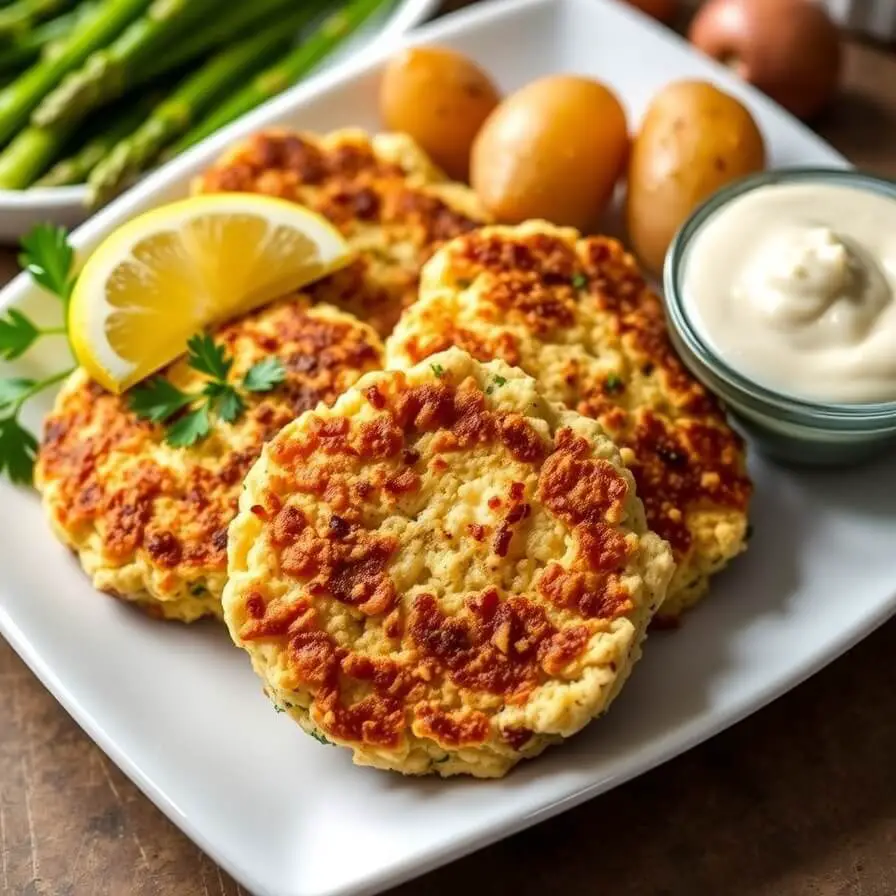
First, always handle the crab gently. You want to preserve those beautiful chunks of meat. Overmixing can turn the filling into a mush, and no one wants that.
Second, chilling the cakes before cooking makes all the difference. It helps them hold their shape and ensures an even, golden crust.
Third, the pan is key. I use a combination of butter and a neutral oil to get that perfect sear. Butter alone burns too quickly, but mixed with oil, it browns beautifully without sacrificing flavor.
Finally, don’t overcrowd the pan. Cooking in batches ensures each cake gets enough contact with the heat to form a crisp crust. Patience is worth it here—rushing will compromise texture.
For extra flavor, a touch of smoked paprika in the breadcrumb mix or a tiny splash of Worcestershire sauce in the filling can make subtle but noticeable improvements. Small tweaks like these elevate the dish from great to restaurant-quality.
Common Mistakes to Avoid
Making crab cakes is deceptively simple, but a few common pitfalls can sabotage the outcome.
One mistake is overmixing the crab mixture. As tempting as it is to combine everything thoroughly, this crushes the delicate crab chunks and creates a dense texture.
Another is skipping the chill time. Cold cakes hold together better in the pan; otherwise, they may fall apart when flipped.
Using low-quality crab meat is another trap. Fresh lump crab is worth seeking out—it’s the main flavor driver, and nothing else can truly replace it.
Finally, overcrowding the skillet or cooking on too high heat can prevent an even crust from forming and may leave the interior undercooked. Slow, steady, and patient cooking is the key.
Avoiding these mistakes ensures your crab cakes have the perfect balance of crunch, flavor, and tenderness.
How to Store It
If you have leftovers, storing crab cakes properly is essential.
For short-term storage, place cooled crab cakes in an airtight container and refrigerate for up to 2 days. Reheat gently in a skillet over medium heat to maintain the crispy exterior.
For longer storage, you can freeze uncooked crab cakes. Line a baking sheet with parchment, place the cakes on it, and freeze until solid. Then transfer to a freezer-safe bag or container for up to 3 months. To cook, skip thawing if you want a firmer texture—just increase the cooking time slightly and cook on medium heat.
Always reheat with care to avoid overcooking, which can dry them out. A gentle reheat preserves that tender, flavorful interior while keeping the crust crisp.
FAQ
Can I use canned crab meat instead of fresh?
Yes, but fresh lump crab provides the best flavor and texture. Canned meat can work in a pinch but may result in a softer, less luxurious crab cake.
Can I bake the crab cakes instead of pan-frying?
Absolutely! Preheat the oven to 375°F, place the cakes on a greased sheet, and bake for 12–15 minutes per side until golden brown. Brushing lightly with butter or oil helps achieve a crisp exterior.
How do I prevent crab cakes from falling apart?
Gently mix the ingredients, chill the cakes before cooking, and avoid overcrowding the pan. These steps help them hold together while cooking.
Can I make crab cakes ahead of time?
Yes! Shape the cakes and refrigerate for a few hours or freeze for longer storage. Cook them just before serving for the best texture.
What dipping sauce pairs best with crab cakes?
Tartar sauce, lemon aioli, or a simple lemon-garlic butter drizzle works beautifully. You can also try a mild remoulade for a tangy kick.

Crab Cakes Recipe
- Total Time: 40 minutes
- Yield: 4 1x
- Diet: Low Fat
Description
Crab Cakes – Golden, tender, and packed with fresh crab flavor, these homemade crab cakes are perfect for weeknight dinners, weekend feasts, or a special occasion. Crispy on the outside, soft on the inside, and bursting with flavor, they’re surprisingly simple to make at home. Each bite is a balance of sweet crab, aromatic herbs, and a subtle touch of seasoning that feels elegant without being intimidating. Perfectly paired with a lemon wedge, light aioli, or your favorite sides, these crab cakes are a recipe you’ll return to again and again.
Ingredients
- 1 pound fresh lump crab meat
- 2 tablespoons mayonnaise
- 1 teaspoon Dijon mustard
- 2 tablespoons fresh parsley, finely chopped
- 1 teaspoon Old Bay seasoning
- 1/2 teaspoon salt
- 1/4 teaspoon freshly cracked black pepper
- 1 cup panko breadcrumbs
- 1 tablespoon butter
- 1 tablespoon oil
- Lemon wedges for serving
Instructions
- Gently mix crab meat with mayonnaise, mustard, parsley, lemon juice, and seasoning.
- Gradually add breadcrumbs to bind mixture.
- Shape into 4 patties and refrigerate for 10–15 minutes.
- Heat butter and oil in a skillet over medium heat.
- Cook crab cakes 3–4 minutes per side until golden brown.
- Serve warm with lemon wedges or dipping sauce.
Notes
- Handle crab gently to preserve chunks.
- Chilling cakes helps them hold shape.
- Mix butter with oil to prevent burning while pan-frying.
- Can substitute Greek yogurt for mayonnaise for lighter cakes.
- Prep Time: 15 minutes
- Cook Time: 20–25 minutes
- Category: Main Course
- Method: Pan-fried
- Cuisine: American
Nutrition
- Serving Size: 4
- Calories: 250
- Sugar: 1g
- Sodium: 500mg
- Fat: 15g
- Saturated Fat: 5g
- Unsaturated Fat: 7g
- Trans Fat: 0g
- Carbohydrates: 12g
- Fiber: 1g
- Protein: 18g
- Cholesterol: 80mg